How to Get Used to Hearing Aids: The First 4 Weeks
Getting used to hearing aids is a gradual process, and the first four weeks are when most of the adjusting happens. Your brain has to relearn how to handle sounds it may not have heard clearly for years, so it is normal for things to feel loud, odd or tiring at first. The NHS says it may take a few weeks or months to get used to hearing aids. This guide walks you through the first month week by week.
Quick answer
Start with an hour or two a day in a quiet room, then build up to wearing your hearing aids all day.
Expect your own voice, the kettle and footsteps to sound strange at first; this usually settles as your brain adapts.
Keep a note of what bothers you and bring it to your follow-up so your audiologist can fine-tune the settings.
Why new hearing aids feel strange at first
Hearing loss usually creeps up slowly. Over months or years, your brain gets used to a quieter world and stops expecting certain sounds, especially higher-pitched ones such as rustling paper, birdsong or the hiss of a tap. When hearing aids bring those sounds back, they can seem sharp or surprisingly loud, even though they are simply at a normal level again.
RNID notes that everyday noises like the fridge hum, doors and footsteps may seem too loud to begin with, and that your own voice may sound echoey or a bit like a voicemail recording. Neither is a sign that something is wrong. It is your brain recalibrating, and the more consistently you wear your hearing aids, the faster that tends to happen.
Hearing aids make sounds clearer and easier to follow, but they do not restore natural hearing or remove background noise completely. Going in with realistic expectations makes the first month less frustrating. If you are still deciding whether hearing aids are right for you, our post on whether hearing aids are worth it covers the evidence.
Week 1: short sessions in quiet places
RNID suggests starting with one or two sessions a day of an hour or two, in quiet surroundings at home. If you have two hearing aids, wear them together rather than one at a time, because your brain learns to balance sound from both ears.
- Sit in a quiet room and simply listen: the clock, the kettle, the sound of your own movements.
- Read aloud for a few minutes to help your ears and brain get used to your own voice.
- Practise putting the hearing aids in and taking them out, and charging them or changing batteries, while there is no pressure.
- Take them off for a break if you feel tired or overwhelmed, then try again later.
Listening can feel tiring in the first week. Concentrating on lots of new sounds is real work for the brain, so shorter, regular sessions are better than one long, exhausting day.
Week 2: longer wear and one-to-one conversation
Once short sessions feel comfortable, gradually increase how long you wear your hearing aids each day. Aim to put them in when you get up and keep them in for longer stretches, removing them only for washing, showering and sleep.
This is a good week to practise conversation. RNID recommends starting one-to-one in a quiet, well-lit room, where you can see the other person’s face. Ask a family member or friend to chat with you for ten or fifteen minutes. Facing each other and cutting out background noise such as the radio gives your brain the easiest possible conditions to learn in.

Television is another useful practice tool. Try watching at a few different volume levels and compare them with your usual setting. Over time you may find you no longer need the volume as high as before.
Week 3: busier places and small groups
By the third week, you may feel ready to try more challenging settings. Build up step by step rather than going straight to the hardest place you can think of.
- Start with a small group at home, such as two or three people around a table.
- Try a short walk outside and notice traffic, wind and birdsong.
- Visit a shop or a quiet café at an off-peak time.
- Leave busy restaurants, parties and train stations until you feel ready; RNID describes these as among the hardest listening situations.
In noisy places, sit with your back to the main source of noise and face the people you want to hear. If your hearing aids have different programmes, try the one your audiologist set up for noisier environments.
Week 4: review and fine-tuning
The first settings are a starting point, not the final answer. The NHS explains that fitting is usually followed by another appointment a few weeks later to check how things are going. RNID adds that your audiologist will ask how you have been getting on, whether you have worn the hearing aids regularly, and whether they are comfortable for long periods.
This is where a simple diary is useful. During weeks one to three, jot down anything that bothers you: sounds that are too sharp, a voice you struggle with, a whistle when you put on a hat, or a part of the ear that feels sore. Specific examples help your audiologist make precise adjustments. Our guide to what to expect at a hearing aid fitting explains how the first appointment and follow-ups fit together.
Common problems in the first month
Whistling (feedback). This often means the hearing aid is not sitting fully in the ear, or the dome or mould needs changing. Re-seat it first; if it keeps happening, mention it to your audiologist.
Soreness or discomfort. A little awareness of something in your ear is normal at first, but pain is not. Stop wearing the hearing aid on that side and get in touch so the fit can be checked. The NHS advises contacting your audiologist at any point if you are having problems.
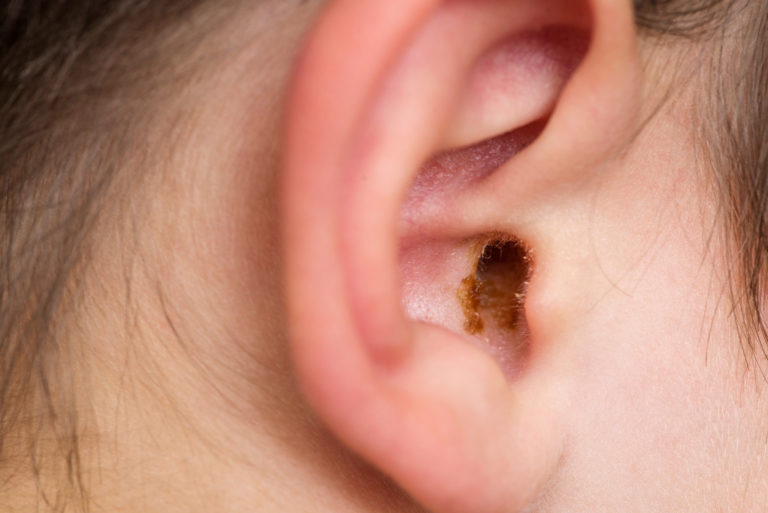
Sounds still muffled. Check the wax guard or dome is clean, the battery is charged, and the correct programme is selected. Ear wax can also block sound or clog a hearing aid, so if you suspect a build-up, a check and ear wax removal may help.
Your first-month checklist
- Wear your hearing aids every day, building up from short sessions to all day.
- Practise in quiet places first, then one-to-one conversation, then small groups.
- Clean them daily and charge them or change batteries as shown at your fitting.
- Keep a short diary of what works and what does not.
- Book or attend your follow-up appointment and bring your notes.
Frequently asked questions
How long does it take to get used to hearing aids?
It varies from person to person. The NHS says it may take a few weeks or months. Wearing them consistently, every day, is what helps most.
Should I wear my hearing aids all day straight away?
Not usually. RNID suggests starting with an hour or two at a time in quiet surroundings and building up gradually to wearing them all day, removing them for showering and sleep.
Why does my own voice sound strange with hearing aids?
Your voice can sound echoey or louder because your ears are picking it up in a new way. This is common and usually settles as your brain adapts. If it still bothers you after a few weeks, your audiologist may be able to adjust the settings or the fit.
Hearing aid support in Wimbledon, Teddington, Wallington and Addiscombe
We are an independent audiology practice with clinics in Wimbledon, Teddington, Wallington and Addiscombe, Croydon. Hearing aids from Phonak, Signia, Oticon and Widex start from £798 for one or £1,695 for a pair, and every fitting includes four years of unlimited aftercare, so follow-ups and fine-tuning in those first weeks and beyond are part of the service. You can read more on our hearing aid prices page, our local pages for hearing aids in Wimbledon, Teddington, Wallington and Croydon, or find addresses on our locations page. If you have not had your hearing checked recently, a hearing test costs £59.
If you are getting used to new hearing aids and would like some help, you can call us on 020 8150 7178 or book an appointment online.
Sources: NHS: Hearing aids and implants; RNID: Getting used to the sounds you hear; RNID: Follow-up hearing appointment.