Are Hearing Aids Worth It? An Honest Answer From Audiologists
Are hearing aids worth it? For most adults whose hearing loss is affecting conversations, work or family life, the honest answer is yes. The best available research shows that hearing aids make a large difference to how well people can listen and take part in everyday situations. They are not a cure, though, and whether they are worth it for you depends on your hearing test results, how much your hearing is getting in the way, and whether you wear them consistently once they are fitted.
Quick answer
For most adults with hearing loss that affects daily life, yes: a 2026 Cochrane review found hearing aids likely bring a large improvement in listening ability and everyday participation.
They will not make your hearing perfect, and most people need a few weeks to get used to them.
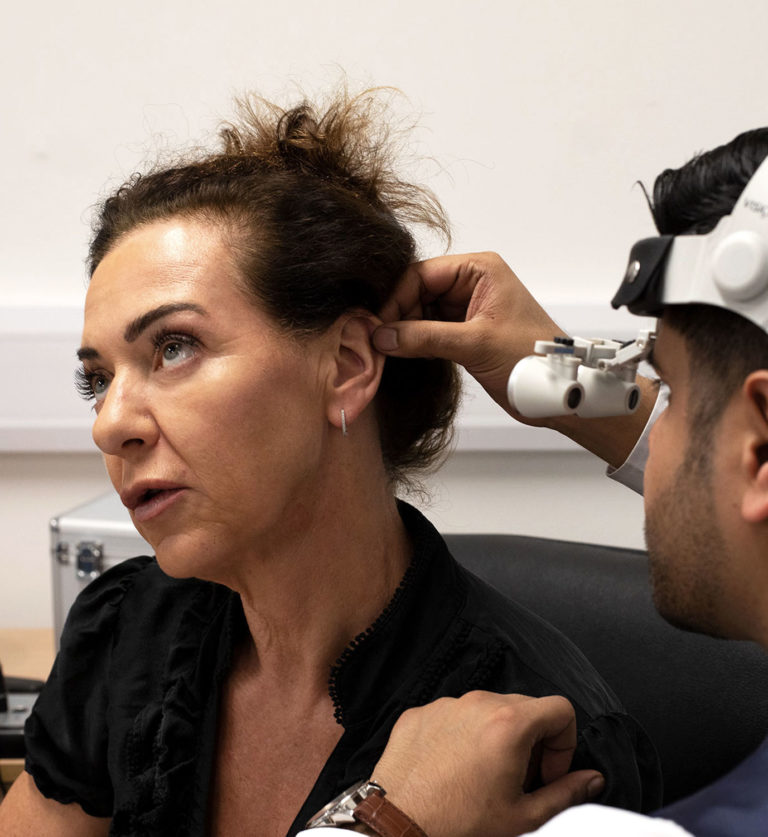
A hearing test (£59 at our clinics) shows whether you are likely to benefit, with no obligation to go further.
What the research says
Cochrane reviews are among the most careful summaries of medical evidence, because they pool the results of randomised controlled trials. In 2026 Cochrane published an update of its review on hearing aids for mild to moderate hearing loss in adults. It included 16 trials involving 2,261 adults.
The review concluded that hearing aids likely have a large beneficial effect on listening ability and on hearing-related quality of life, meaning how well people manage in conversations and everyday situations. Hearing aids may also bring a small improvement in general quality of life. The authors said this evidence supports hearing aids as the first-line option for adults who seek help with hearing difficulties.
It is just as important to say what the review did not find. It did not show that hearing aids improved loneliness or working memory. So the clearest, best-supported benefit is the one most people are looking for: hearing and following people more easily.
What hearing aids can and cannot do
The NHS hearing aids page puts it plainly: hearing aids “will not make your hearing perfect”, but they make sounds louder and clearer. In practice, they can help you:
- Hear everyday sounds such as the doorbell, the phone and the kettle.
- Follow speech more easily, particularly in one-to-one conversation.
- Feel more confident talking to people in different settings.
- Enjoy the TV and music at a volume that suits the rest of the household.
What they cannot do is restore natural hearing. Busy restaurants and group conversations usually remain harder than quiet rooms, even with good hearing aids. They also only help if you still have some usable hearing, which is one reason the NHS advises not to wait until your hearing gets really bad before getting help.
Signs hearing aids are likely to be worth it
A hearing test tells you what is happening in each ear, but your day-to-day experience matters just as much. Hearing aids are usually worth serious consideration if several of these sound familiar:
- You often ask people to repeat themselves or find yourself guessing at words.
- Family members comment on the TV volume or say you have missed things they said.
- You feel tired after conversations, meetings or social events because listening takes effort.
- Phone calls have become harder to follow.
- You have started avoiding situations you used to enjoy because of your hearing.
This matches the approach in NICE guideline NG98, which bases the offer of hearing aids on how hearing loss affects a person’s ability to communicate and hear, rather than on a single number on an audiogram.
When hearing aids may not be the answer (yet)
Being honest about value means being clear about when hearing aids are not the right next step:
- Ear wax. A build-up of wax can make hearing feel muffled. It is worth ruling this out first, and if wax is the cause, ear wax removal may be all you need.
- A borderline result with no real difficulty. If your test shows only a slight change and it is not affecting your life, monitoring and a repeat test may be more sensible for now.
- Sudden hearing loss. If your hearing drops suddenly in one or both ears, this needs urgent medical advice from your GP or NHS 111 rather than a hearing aid appointment.
- You are not ready to wear them. Hearing aids only help when they are in your ears. If you are not ready, it is fine to wait, and a baseline test still gives you something to compare against later.

What makes the difference between “worth it” and “in a drawer”
When people say hearing aids were not worth it, the cause is often how the first few weeks went rather than the technology itself. A few things make a real difference:
Wearing them consistently. Your brain needs time to adjust to sounds it may not have heard clearly for years. The NHS notes that adjusting can take a few weeks or months. Our guide to getting used to wearing hearing aids covers practical ways to build up wear time.
Follow-up and fine-tuning. The first settings are a starting point. Reviews after the fitting let your audiologist adjust the hearing aids based on how you are getting on in real life.
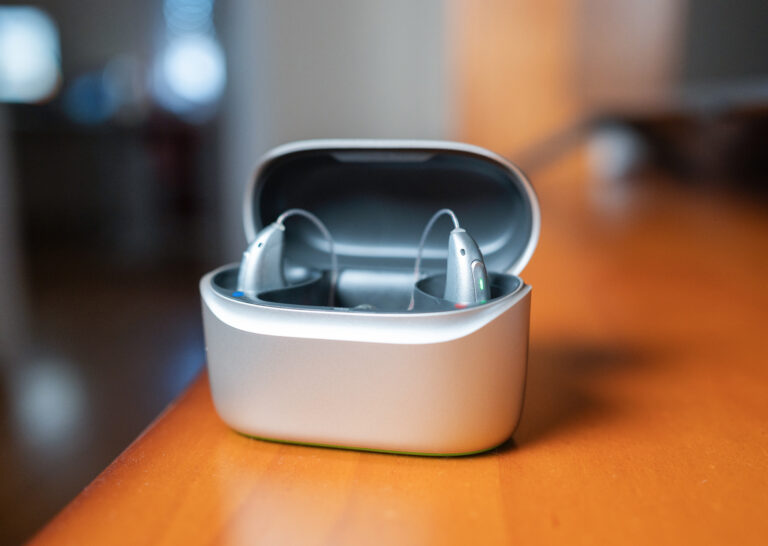
The right style for you. Comfort, dexterity, battery or rechargeable power, and how visible you want them to be all affect whether you will happily wear them every day.
Realistic expectations. Expect clearer, easier listening, not perfect hearing. People who go in with that expectation tend to judge the result more fairly.
Are they worth the cost?
Hearing aids are available free on the NHS as a long-term loan, with free batteries, repairs and aftercare. The NHS page notes that NHS hearing aids are usually behind-the-ear styles and that waits can be longer than going privately. If you are weighing up the two routes, our article on private hearing tests versus the NHS may help.
If you go privately, the NHS suggests you could pay anything from £500 to £3,500 or more for a single hearing aid, so it is worth checking exactly what is included. At our clinics, hearing aids start from £798 for a single aid or £1,695 for a pair, and include 4 years of unlimited aftercare. We fit Phonak, Signia, Oticon and Widex, and you can see the full range on our hearing aid prices page. For a wider look at what drives price, read how much hearing aids really cost in the UK.
A useful way to judge value is to think about cost over the years you will wear them, and to ask any provider how follow-up appointments, adjustments and repairs are handled.
Frequently asked questions
Do hearing aids make your hearing worse?
No. Correctly fitted hearing aids do not damage your hearing. Some people feel their hearing is worse when they take their aids out, but that is because they have become used to hearing more clearly, not because the aids have caused harm.
How quickly will I notice a difference?
Many people notice some sounds straight away, such as footsteps, rustling paper or the indicator in the car. Getting fully used to hearing aids usually takes a few weeks of regular wear, and sometimes a little longer.
Do I need one hearing aid or two?
That depends on whether you have hearing loss in one ear or both. Your audiologist will explain the options once your hearing test results are clear.
Hearing aid advice in Wimbledon, Teddington, Wallington and Addiscombe
We are an independent audiology practice with clinics in Wimbledon, Teddington, Wallington and Addiscombe, Croydon. Our local pages cover hearing aids in Wimbledon, Teddington, Wallington and Croydon, and you can find addresses and opening days on our locations page. A hearing test is the simplest way to find out whether hearing aids are likely to be worth it for you, and we will talk you through the results with no pressure to go further.
If you would like your hearing checked, you can call us on 020 8150 7178 or book an appointment online.