
Hearing Aids for Mild Hearing Loss: Do You Really Need Them?
If a hearing test has shown a mild hearing loss, or you suspect you are only missing a little, it is natural to wonder whether hearing aids are worth it yet. The short answer is that it depends less on the number on your audiogram and more on how much the loss is affecting your day-to-day life. Some people with a mild loss manage well for years with a few simple changes; others find that quiet conversations, meetings or the television have become tiring, and modern hearing aids can make a real difference. This guide explains what mild hearing loss means, the signs that it is starting to matter, and what your options are.
Quick answer
Mild hearing loss does not automatically mean you need hearing aids, but it is worth acting on if it is affecting conversations, work or enjoyment.
NICE guidance bases the offer of hearing aids on how hearing loss affects your ability to communicate, not on a cut-off number.
A hearing test (£59 at our clinics) is the first step, and there is no obligation to go further.
What does “mild hearing loss” actually mean?
A hearing test measures the quietest sounds you can hear at different pitches, and the results are plotted on a chart called an audiogram. In the UK, audiologists generally describe hearing as being within normal limits up to around 20 decibels, with mild hearing loss sitting roughly between 20 and 40 decibels. In practical terms, a mild loss means the quietest sounds are no longer heard, while normal conversation in a quiet room is usually still clear.
The word “mild” can be a little misleading. It describes the level on the chart, not how much it matters to you. Mild losses often affect the higher pitches first, and that is where many of the consonant sounds that make speech clear, such as “s”, “f” and “th”, sit. So you may hear that someone is talking but not quite catch every word, particularly when there is background noise. You can read more about how the test works in our guide to what happens at a hearing test and how to read your results.
Signs a mild hearing loss is starting to matter
The NHS hearing loss page lists common early signs, and several of them are typical of a mild loss. A useful way to think about it is whether any of the following sound familiar:
- You hear people talking but often need them to repeat themselves, especially softly spoken voices or children.
- Restaurants, family gatherings and busy offices have become harder work than they used to be.
- Others comment that the television or radio is louder than they would like.
- You come away from meetings or social events feeling more tired than the occasion warrants.
- You have started avoiding situations because following conversation feels like effort.
- You notice ringing or buzzing in your ears, which sometimes appears alongside hearing loss (see our tinnitus page).
If none of these apply and you simply had a borderline result on a routine check, monitoring may be all you need. If several of them do apply, it is worth discussing your options properly.
What NICE says about who should be offered hearing aids
The National Institute for Health and Care Excellence (NICE) publishes guidance on hearing loss in adults. Its recommendation is to offer hearing aids to adults whose hearing loss affects their ability to communicate and hear, including awareness of warning sounds and the environment, and appreciation of music. Notably, it does not set a minimum hearing level. In other words, a mild loss that is affecting your life can be a perfectly good reason to try hearing aids, while a mild loss that is not bothering you does not need to be treated just because it appears on a chart.
Options if your hearing loss is mild
There is no single right answer, and a good audiologist will talk through all of these with you rather than steering you towards one.
Monitoring. If your loss is mild and not causing problems, a sensible approach is to recheck your hearing periodically so that any change is picked up early.
Communication tactics. Simple changes help many people: facing the person you are talking to, choosing a quieter table or seat, reducing background noise at home and using subtitles on the television.
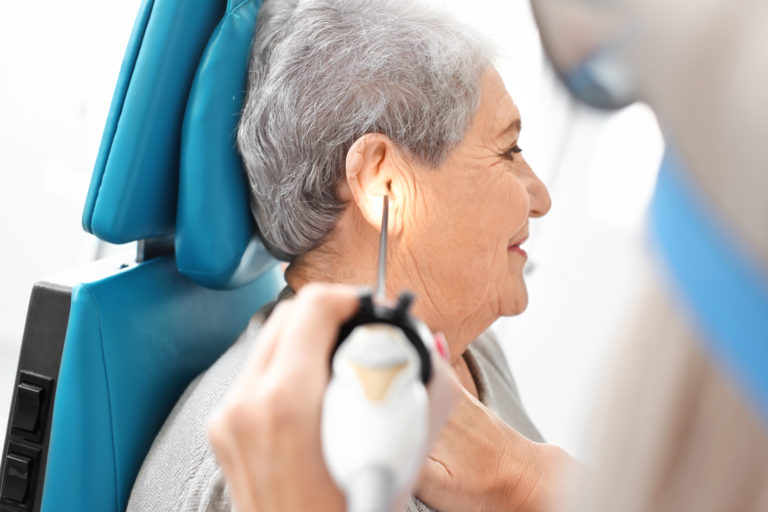
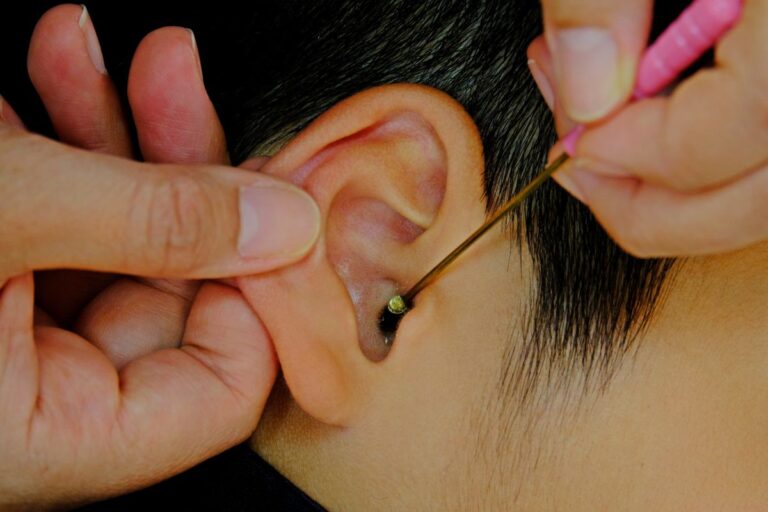
Ruling out ear wax. A build-up of wax can make hearing feel duller than it really is, so it is worth having your ears examined before drawing conclusions. If wax is present, ear wax removal may make a noticeable difference on its own.
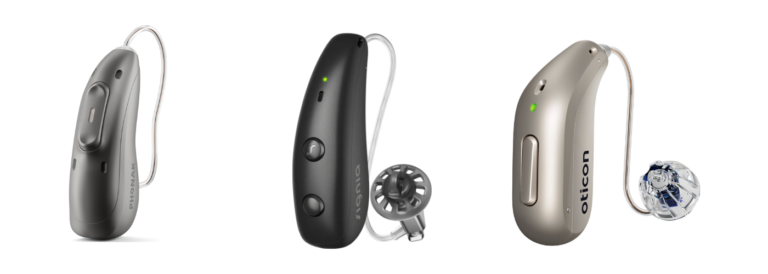
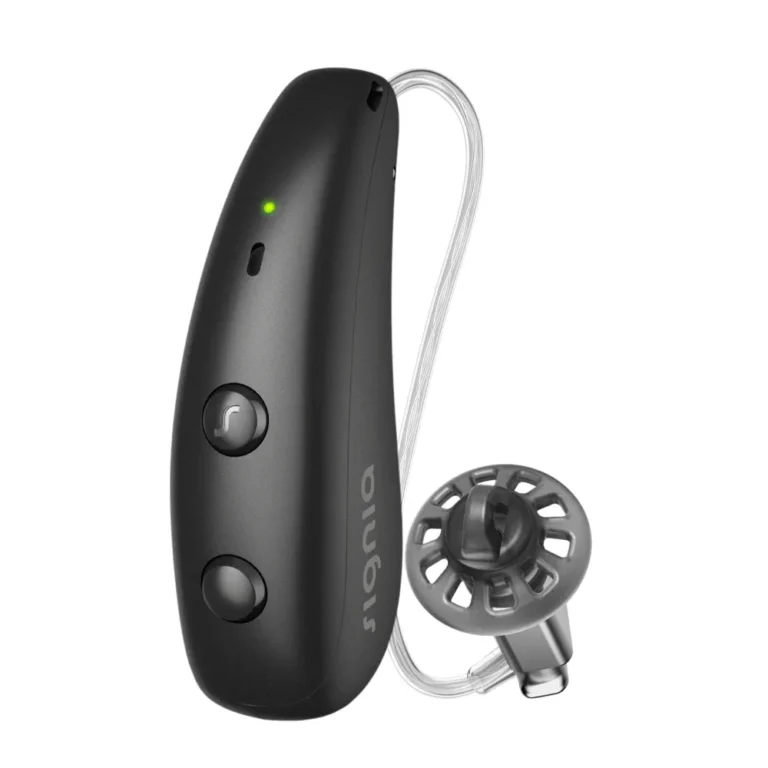
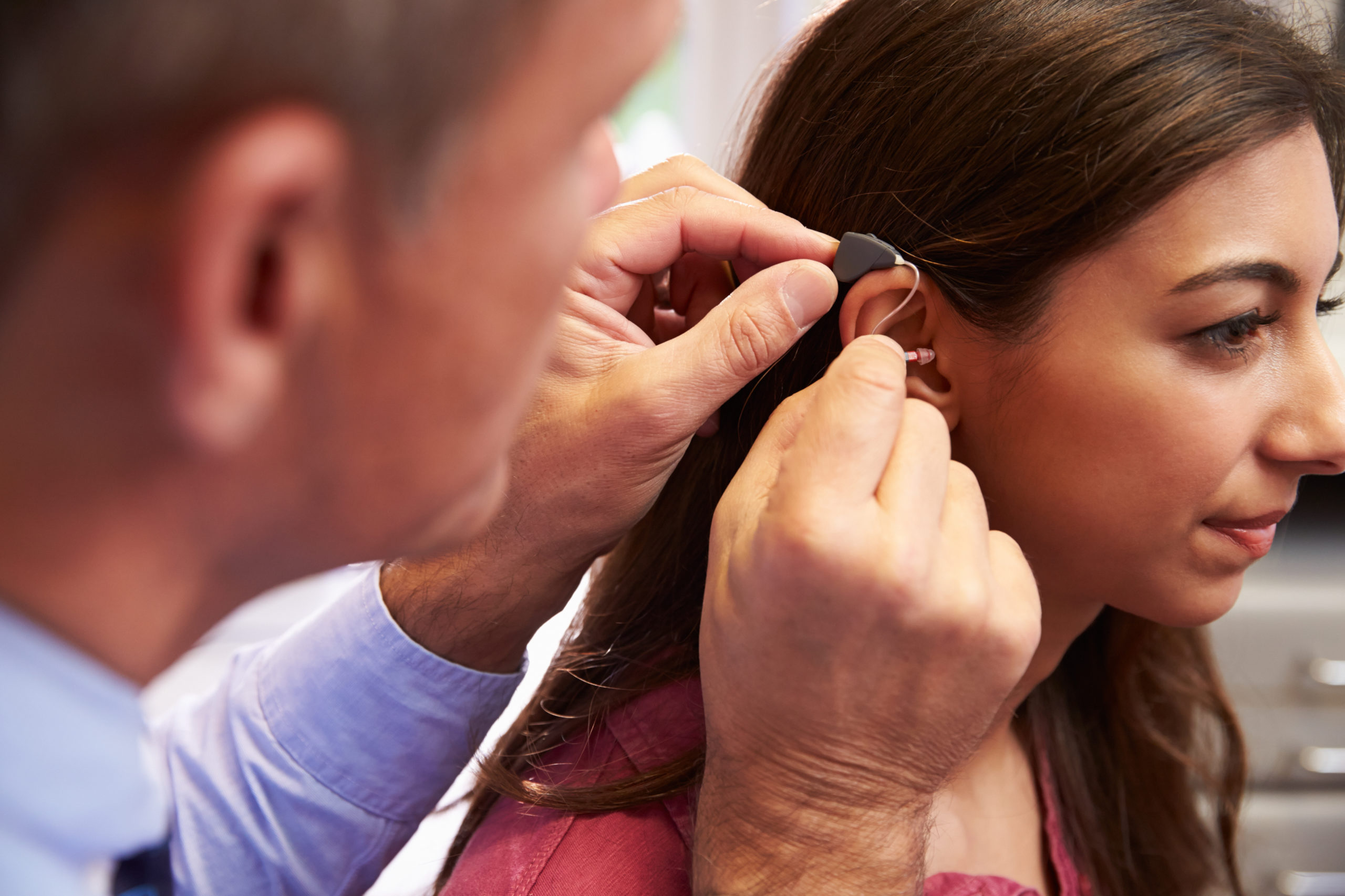
Hearing aids. Today’s hearing aids are small, can be programmed very precisely to a mild loss, and often connect to phones and televisions by Bluetooth. Many people with a mild loss are suitable for discreet styles, including small behind-the-ear models and some in-the-ear or in-the-canal designs, depending on the shape of the ear canal and the hearing pattern.
What it is like to wear hearing aids for a mild loss
People with a mild loss sometimes expect hearing aids to make everything loud. In practice, the aim is the opposite: to restore the softer sounds and speech detail you have been missing while keeping louder sounds comfortable. Because the brain has to adjust to hearing those details again, it is normal for everyday sounds such as footsteps, the kettle or rustling paper to seem prominent for the first few weeks. Wearing the aids regularly, rather than only on special occasions, tends to help that adjustment. Our article on getting used to wearing hearing aids has practical tips, and our guide to what to expect at a hearing aid fitting explains the first appointment step by step.
What about cost?
At our clinics, a hearing test costs £59. Hearing aids start from £798 for a single aid or £1,695 for a pair, and that includes four years of unlimited aftercare, so adjustments and follow-up visits are covered as you get used to them. We work with Phonak, Signia, Oticon and Widex, and you can see the full range on our hearing aid prices page. If you are weighing up budgets more generally, our article on how much hearing aids really cost in the UK may help.
Frequently asked questions
Will hearing aids make my hearing worse?
No. Correctly fitted hearing aids do not damage your hearing. Some people feel their hearing is worse when they take the aids out, but that is usually because they have become used to hearing more clearly, not because their hearing has changed.
Can I wait and see with a mild hearing loss?
Yes, if it is not affecting your daily life. It is still sensible to have your hearing rechecked periodically, and to come back sooner if you notice changes or find conversations becoming harder.
Do I need one hearing aid or two?
That depends on whether the loss is in one ear or both. NICE recommends offering two hearing aids to adults with aidable hearing loss in both ears, as two aids can make speech in background noise easier to follow and help you tell where sounds are coming from.
Hearing tests and hearing aids in Wimbledon, Teddington, Wallington and Addiscombe
We are an independent audiology practice with clinics in Wimbledon, Teddington, Wallington and Addiscombe, Croydon. You can find addresses and opening days on our locations page. A hearing test will show whether you have a mild loss, and we will talk through what the results mean for you with no pressure to go further.
If you would like your hearing checked, you can call us on 020 8150 7178 or book an appointment online.