
TINNITUS · SOUTH WEST LONDON & SURREY
Tinnitus assessment and honest advice
Constant ringing, buzzing or hissing that nobody else can hear? Tinnitus is common, and for most people it can be managed well — the first step is understanding what is driving yours.
★★★★★ 500+ five-star Google reviews · HCPC-registered audiologists
UNDERSTANDING TINNITUS
What tinnitus is — and is not
What it sounds like
Ringing, buzzing, hissing, roaring, whistling or humming — constant for some, coming and going for others. Every experience is different, which is why our assessment starts with your story.
Why it feels louder at night
Tinnitus is most noticeable in quiet places with little background sound — in bed, for example. That is normal, and one of the things good management targets first.
When to act quickly
Tinnitus that starts suddenly, affects one ear only or arrives with sudden hearing loss should be checked promptly — see your GP or urgent care first, then come to us for ongoing hearing care.
YOUR TINNITUS ASSESSMENT
Four steps to a plan
1. Your story
An unhurried consultation about when your tinnitus started, what it sounds like and how it affects your days and nights.
2. Ear examination
A careful otoscopic examination — wax build-up and ear conditions are among the treatable causes of tinnitus, so we rule them in or out first.
3. Hearing test
Tinnitus is more common in people with hearing loss. Pure-tone audiometry shows us whether your hearing is part of the picture.
4. Your options, honestly
Depending on what we find: ear wax removal, hearing aids where hearing loss coexists, and practical self-help techniques — explained plainly, with no pressure.
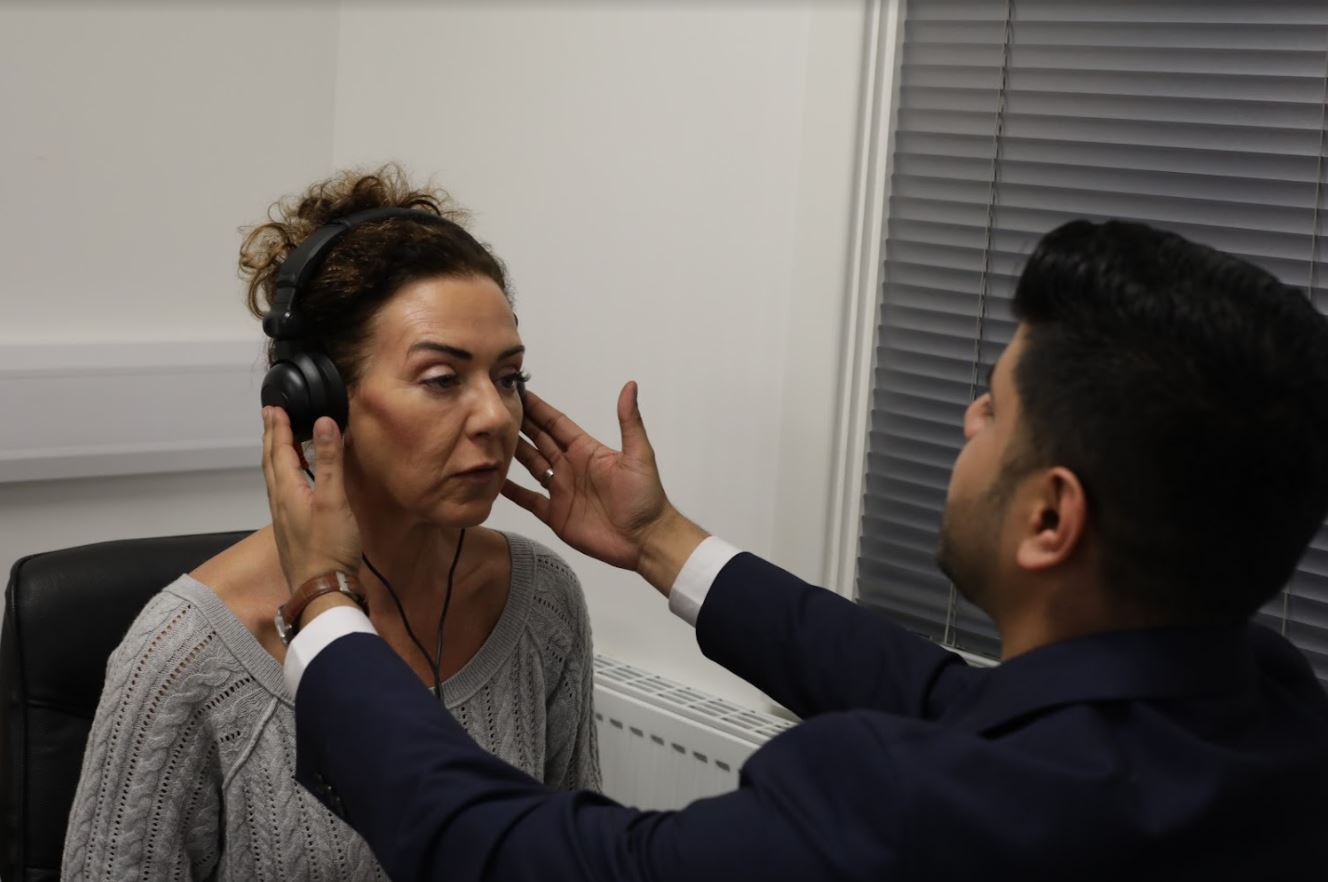
HEARING AIDS & TINNITUS
When treating hearing loss quiets tinnitus
Tinnitus and hearing loss often go together. When hearing loss is part of the picture, many people find hearing aids reduce how much their tinnitus intrudes — the sound around you gives your brain something other than the tinnitus to attend to. As independent audiologists we fit Phonak, Signia, Oticon and Widex, and we will only recommend hearing aids if your assessment genuinely points that way.
GOOD TO KNOW
Tinnitus questions, answered honestly
Can tinnitus be cured?
There is currently no instant cure for most tinnitus, and we will never pretend otherwise. What we can do is find any treatable cause — such as ear wax — and build a management plan that reduces how much tinnitus affects your life.
Do hearing aids help tinnitus?
Often, yes — where hearing loss coexists with tinnitus, many people find hearing aids make their tinnitus far less noticeable. Your hearing test tells us whether this applies to you.
Can ear wax cause tinnitus?
Yes — a wax blockage is one of the treatable causes, which is why every tinnitus assessment starts with a careful ear examination. If wax is the culprit, gentle microsuction can bring quick relief.
When should I see a doctor about tinnitus?
If tinnitus starts suddenly, affects only one ear, pulses with your heartbeat or arrives with sudden hearing loss or dizziness, seek prompt medical advice from your GP first. For ongoing, typical tinnitus, we are here to help you manage it.
How do I book a tinnitus assessment?
Book online or call 020 8150 7178 — assessments are available at our Wimbledon, Teddington, Wallington and Addiscombe clinics. Please note we do not see patients under 16.
 Wimbledon
 Teddington
 Wallington
 Addiscombe
Take the first step
A tinnitus assessment at any of our four clinics starts with listening — to you.