Cheap Hearing Aids in the UK: Why We Don’t Recommend Them — and What to Do Instead
Search “cheap hearing aids UK” and you’ll find devices at £99, £199 and £399 sitting alongside prescription hearing aids costing several thousand pounds a pair. It looks like a bargain hiding in plain sight. As audiologists, our honest position is that it usually isn’t — and this explains why, and where the genuine low-cost options are.
Quick answer
We do not recommend cheap online sound amplifiers to anyone, at any level of hearing loss — they amplify everything indiscriminately and can expose you to unsafe sound levels.
Over-the-counter and self-fitting devices are a regulated product, but buying one means skipping the diagnostic test that tells you what is actually wrong, and no professional to correct it when it sounds wrong.
If budget is the issue, the genuinely good low-cost route is an NHS hearing aid, which is free, properly fitted and clinically appropriate — not a £99 device from a marketplace.
What “cheap” actually means in 2026
The budget end of the market covers three quite different things, and lumping them together is where most people go wrong.
Sound amplifiers (PSAPs). These simply make everything louder — speech, traffic, the extractor fan, a slammed door. They are not medical devices, they are not shaped to your hearing loss, and there is no upper limit on output that has been set for your ears. We would not recommend one to any patient, whatever the degree of loss. They are the cheapest devices online and, in our experience, the ones most likely to end up in a drawer within a month.
Over-the-counter and self-fitting hearing aids. These are a legitimate, regulated category, and some earbuds now include a built-in hearing check and a hearing aid mode. The device shapes amplification to the result of that app-based check. That is technically a real advance — but the check is a screening tool, not a diagnostic test. It cannot see wax, it cannot detect a middle-ear problem, and it cannot flag the asymmetry that needs a doctor’s opinion. RNID makes the same point: wider access is welcome, but buying this way skips a proper diagnostic assessment and a professional fitting.
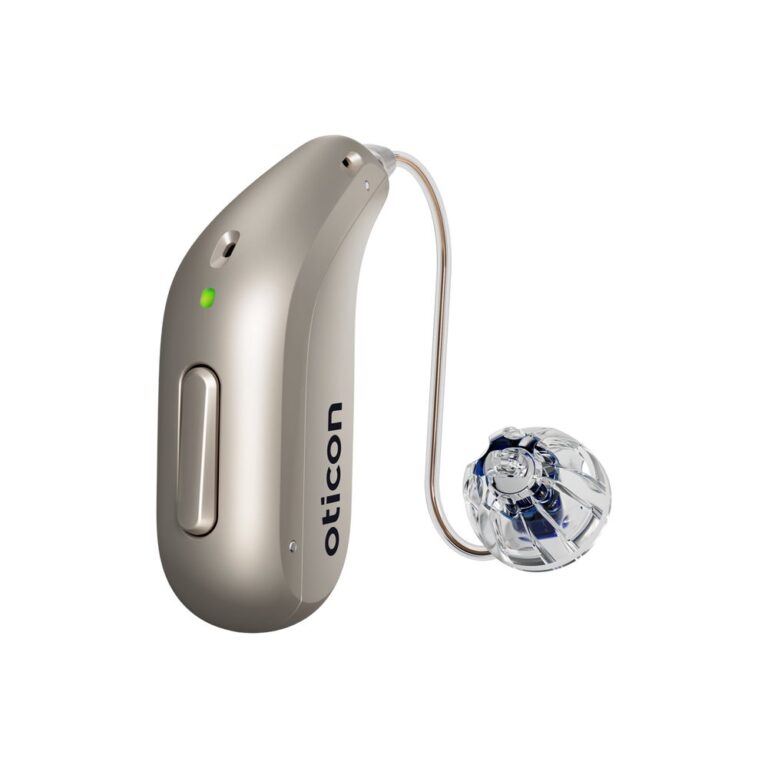
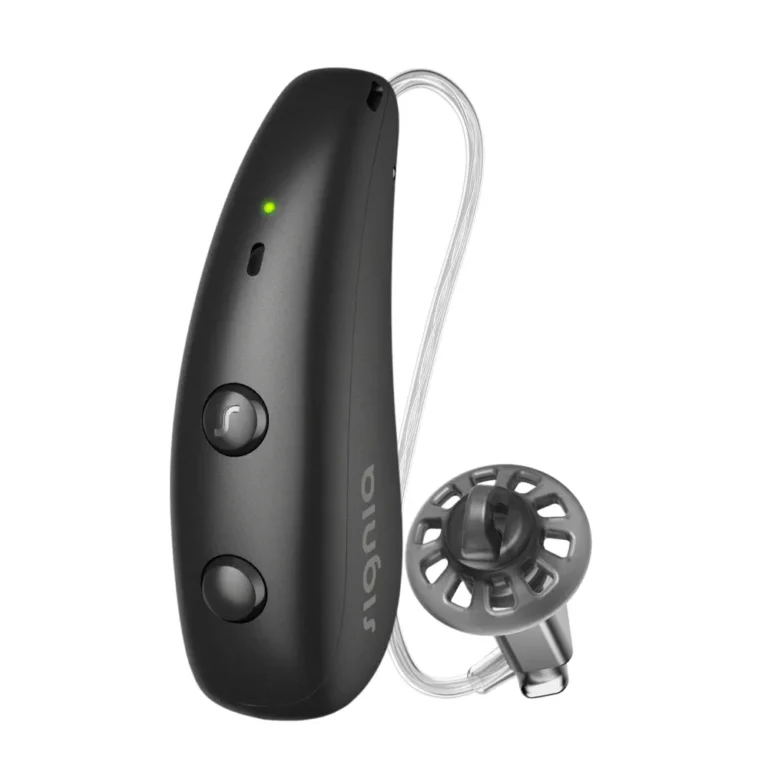
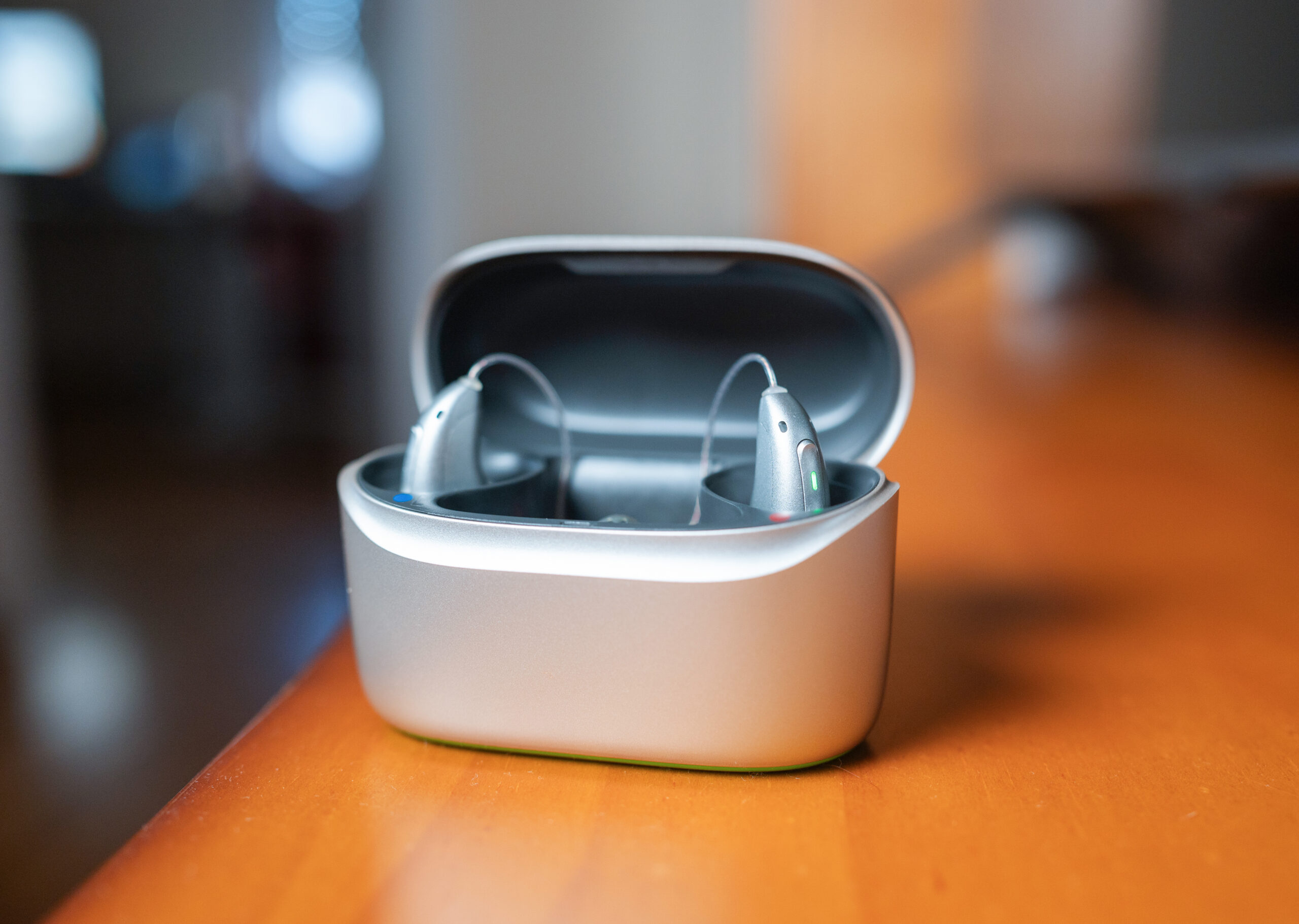
Entry-level prescription hearing aids. Last-generation technology from a mainstream manufacturer, fitted and verified by an audiologist. Not cheap in the £99 sense, but by some distance the best value of anything you pay for privately.
Why we don’t recommend online amplifiers — even for mild loss
The usual argument for a budget device is “my loss is only mild, so why spend more?”. Here is why that reasoning doesn’t hold up clinically.
- Mild loss is the hardest to amplify well, not the easiest. You need gain in some frequencies and none in others. A device with a single volume control cannot do that — it makes the sounds you already hear too loud while still leaving speech unclear.
- You don’t yet know it is mild. “Mild” is a description of an audiogram. Without a test, you are guessing at both the degree and the shape of your loss.
- Output isn’t limited for your ears. A properly fitted hearing aid has a maximum output set against your measured discomfort levels. An unregulated amplifier has no such ceiling.
- It delays the things that matter. Wax, middle-ear fluid, sudden or one-sided loss, and hearing loss with pain, discharge, dizziness or one-sided tinnitus all need looking at — not turning up. We see people every week who bought a device for a problem that turned out to be wax.
- Nobody adjusts it when it sounds wrong. Almost every hearing aid sounds odd for the first fortnight. With no one to fine-tune it, the odds of abandonment rise sharply — and the money is gone either way.
The low-cost route we do recommend
If money is the constraint — and for plenty of people it genuinely is — the answer is not a cheaper gadget. It is the NHS.
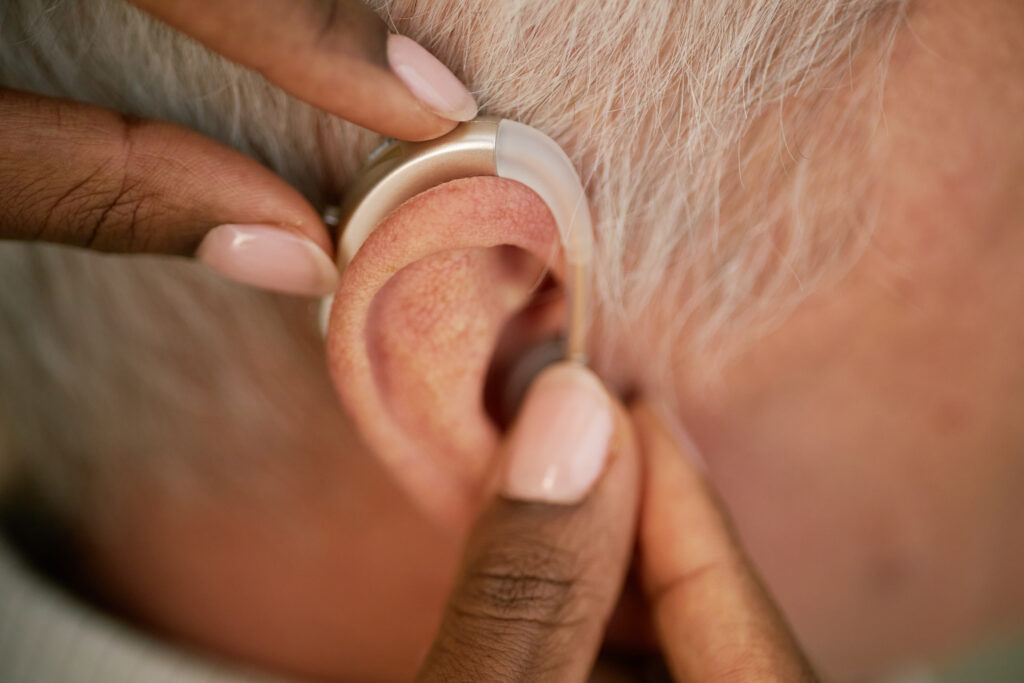
NHS hearing aids are free. They are real, modern, behind-the-ear hearing aids, programmed to your audiogram by a qualified audiologist, with batteries and repairs provided at no cost. Your GP can refer you, and in some areas you can self-refer directly. The trade-offs are waiting times and less choice over style and technology level — but clinically, an NHS aid is in a different league from a £99 amplifier, and it costs less. We tell patients this regularly, including patients who came in expecting to buy from us. The NHS guide to hearing aids and implants sets out how the route works.
Going privately for speed, style or technology is a legitimate choice too — but it should be a choice about those things, not a scramble for the lowest price.
Before you spend anything: get tested
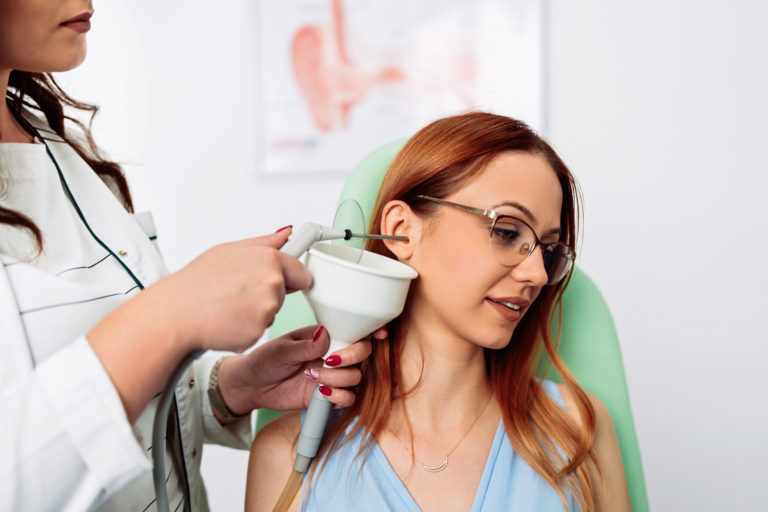
A diagnostic hearing test is not a sales step. It is the thing that tells you whether you have a hearing loss at all, what kind, and whether it needs medical attention rather than amplification. Ours includes a copy of your audiogram — yours to keep and take anywhere, whether or not you buy anything from us. If it turns out to be ear wax, we will tell you, and you can stop reading articles like this one.
An honest comparison of the routes
- Sound amplifier, £30–£150. No test, no fitting, no shaping to your loss, no output limits set for your ears. We don’t recommend these to anyone.
- OTC or self-fitting, £200–£700. Regulated devices with app-based setup, but based on a screening check rather than a diagnostic test, and support is usually an inbox. At minimum, have a proper test first so you know what you are treating.
- NHS hearing aids, free. Properly fitted, clinically appropriate, batteries and repairs included. The best-value option available to most people.
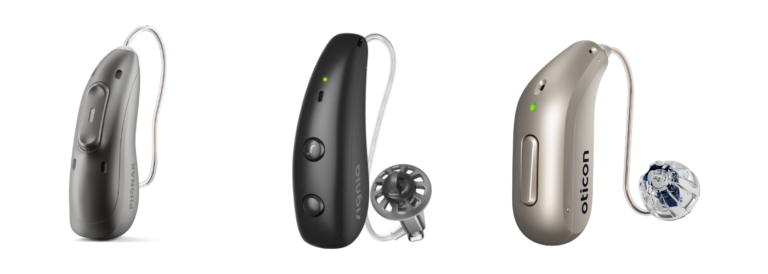
- Private prescription hearing aids, from £798 for one or £1,695 a pair. Full diagnostic test, verified fitting, choice across Phonak, Signia, Oticon and Widex, and four years of unlimited aftercare with us. You can see the full range on our hearing aid prices page.
For the fuller breakdown of what drives private pricing, we’ve written about that in how much hearing aids really cost in the UK, and we’ve looked at the over-the-counter question in more detail in are OTC hearing aids worth it in the UK?
Five things to check before you spend
- Have your ears looked at first. Wax and infection mimic hearing loss convincingly.
- Get an audiogram. Know the degree and shape of your loss before you shop for anything.
- Ask whether the product is a regulated hearing aid or simply an amplifier. The marketing language is often identical; the devices are not.
- Check the return window. Fourteen days is rarely long enough to adapt; look for 30 days or more.
- Ask what happens when it needs adjusting. A named clinician beats a support inbox.
Frequently asked questions
Are cheap hearing aids from online marketplaces any good?
Most of what is sold that way is a sound amplifier described in hearing-aid language, not a regulated hearing aid. We don’t recommend them. If cost is the barrier, an NHS hearing aid is free and clinically far better.
Can I use my earbuds as hearing aids?
Some models now include a hearing check and a hearing aid feature, and they are a regulated product rather than a plain amplifier. They still rely on a screening check rather than a diagnostic test, they won’t manage a moderate or severe loss, and they can’t tell you if the problem is wax or something medical. Have a proper test first.
Should I just wait for the NHS instead?
If cost is the deciding factor, yes — NHS hearing aids are free and properly fitted. Waiting times vary by area, so ask your GP what the local wait looks like before ruling it in or out.
If you’re in South West London
We’re an independent audiology practice with clinics in Wimbledon, Teddington, Wallington and Addiscombe, and we also carry out home visits across the area. Being independent means we’re not tied to one manufacturer — and it also means we’ll tell you when you don’t need to spend — including when the honest advice is the NHS. Plenty of people leave us with clean ears and no hearing aid at all.
If you’d like to know what you’re actually dealing with before spending anything, book a hearing test and we’ll give you your results straight.