
Can Ear Wax Cause Tinnitus? Blocked Ears, Ringing and What Actually Helps
If you’ve noticed a ringing, buzzing or hissing in your ear alongside a feeling of being blocked or muffled, it’s natural to wonder whether ear wax is to blame. The short answer is: yes, it genuinely can be — and it’s one of the more fixable causes of tinnitus we see.
Can ear wax actually cause tinnitus?
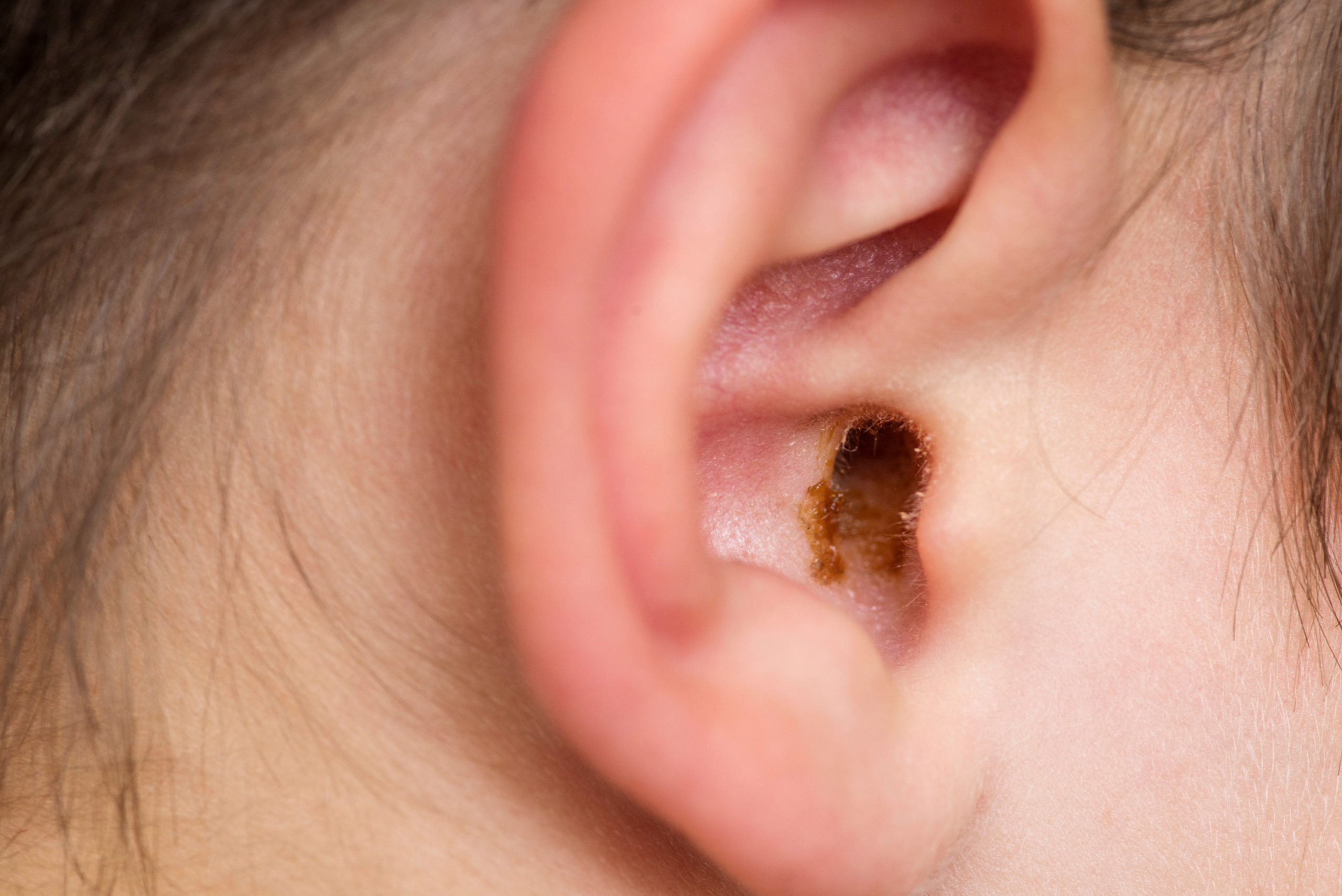
Yes. Ear wax (cerumen) is supposed to migrate out of the ear canal naturally, but when it builds up and hardens against the eardrum, it can affect how sound reaches your inner ear in two ways. First, it muffles incoming sound, and your brain can respond to that reduced input by “turning up” its own internal noise — which is one of the mechanisms behind tinnitus. Second, wax sitting directly against the eardrum can create pressure or even touch it, which some people experience as a ringing, buzzing or crackling sound. Either way, the tinnitus tends to arrive or worsen at the same time as the blocked, muffled feeling — that timing is usually the giveaway.
How blocked ears cause that ringing or buzzing sound
Tinnitus isn’t a condition in itself — it’s a symptom, and your hearing system can generate it whenever something disrupts normal sound input. A wax blockage is one of the most common and most treatable triggers, because it’s a physical obstruction rather than a change inside the ear itself. Other common triggers include age-related hearing changes, exposure to loud noise, certain medications, and sometimes nothing identifiable at all. The reason we always check for wax first is simple: it’s the cause we can usually resolve in a single appointment.
Signs it’s wax, not something else
A few patterns point towards wax as the cause:
- The ringing or buzzing started around the same time as a blocked, muffled or “underwater” feeling in the ear.
- It’s in one ear only, or much worse in one ear than the other.
- It came on gradually, rather than suddenly overnight.
- Your hearing in that ear feels noticeably quieter, as if someone has turned the volume down.
- You’ve recently used cotton buds, ear plugs or in-ear headphones a lot, which can push wax further in rather than out.
If several of these sound familiar, there’s a good chance wax is playing a part — but the only way to know for certain is to have the ear examined, since wax can sit deep in the canal where you can’t see or feel it.
What actually helps
If wax is confirmed as the cause, removing it is usually straightforward. We offer microsuction, which uses gentle suction under direct vision and is the method we recommend for most people, alongside irrigation and ear drops for softer wax — we cover how to choose between them in our microsuction vs syringing vs ear drops guide. Many patients notice the ringing settle within a few days of the wax being cleared, though it isn’t instant for everyone — your ear needs a little time to readjust to normal sound levels again. Over-the-counter olive oil or sodium bicarbonate drops can soften wax beforehand, but we’d avoid cotton buds entirely, as they tend to pack wax tighter against the eardrum rather than remove it.
A standard ear wax removal appointment costs £60 for one ear or £80 for both (Teddington offers single-ear appointments only); if we examine your ear and find no wax present, there’s a £20 consultation fee instead. We also offer home visits for anyone who can’t easily get to a clinic, at £89 for a hearing test or £139 for wax removal.
When tinnitus isn’t about wax
Not all tinnitus is wax-related, and it’s important to say so honestly. If your tinnitus came on suddenly with no blockage, affects both ears equally, is accompanied by dizziness or sudden hearing loss, or persists after we’ve confirmed your ears are clear, it’s worth a fuller hearing assessment to rule out other causes, which can include age-related hearing changes, noise exposure, certain medications or, occasionally, an underlying medical condition that’s worth your GP knowing about. We’ll always tell you plainly if we think the cause is something other than wax rather than just removing wax and hoping for the best.
Blocked ears and tinnitus — helped at our South West London clinics
We assess and treat wax-related tinnitus at our clinics in Wimbledon, Teddington, Wallington and Addiscombe. Every appointment starts with a proper look inside the ear using video otoscopy, so you can see exactly what we see before any treatment goes ahead — no guessing, and no treatment without a clear reason for it. If it turns out your tinnitus isn’t related to wax, we’ll talk you through sensible next steps rather than just sending you away.
Quick checklist: could your tinnitus be wax-related?
- Did the ringing or buzzing start around the same time as a blocked or muffled feeling?
- Is it worse in one ear than the other?
- Has it come on gradually rather than suddenly?
- Do you use cotton buds, ear plugs or in-ear headphones regularly?
- Has it been more than a year since your ears were last checked for wax?
Several “yes” answers make wax a reasonable first thing to rule out. If none of these fit, it’s worth booking a hearing assessment instead so we can look more broadly at what might be causing it.
Frequently asked questions
How quickly does tinnitus improve after ear wax removal?
Many people notice an improvement within a few days, once the ear has had time to readjust to clearer sound. For some it’s immediate; for others it takes a little longer, and occasionally the tinnitus doesn’t fully resolve if something else is also contributing.
Can I remove ear wax myself to help with tinnitus?
Softening drops are fine to try at home, but we’d avoid cotton buds or ear candles, which can push wax further in or cause injury. If you can’t tell whether wax is actually the issue, it’s safer to have it checked and removed professionally.
Should I see a doctor if ear wax removal doesn’t fix my tinnitus?
Yes — if your tinnitus continues after your ears have been confirmed clear of wax, it’s worth a full hearing assessment, and your GP should know too, particularly if it’s sudden, one-sided, or comes with dizziness or hearing loss.
Think wax might be behind your tinnitus? Read how to choose a trustworthy ear wax removal clinic, compare removal methods, or book an appointment at your nearest clinic and we’ll take a proper look.