Microsuction vs Syringing vs Ear Drops: Which Method Is Right for Your Ears?
If you’ve been told you need your ears cleared but you’re not sure which method to choose, you’re not alone. Microsuction, syringing (ear irrigation) and ear drops all remove ear wax, but they work differently, suit different situations, and carry different levels of risk. Here’s an honest, audiologist’s-eye comparison to help you choose the right one for your ears.
Quick answer: Microsuction is generally the safest and most comfortable option for most people, since it’s done under direct vision with gentle suction and no water. Syringing can work well for soft wax but carries more risk of discomfort if wax is hard or the eardrum has a history of problems. Ear drops rarely clear a full blockage alone, but they’re a useful first step to soften wax before an appointment.
The three methods, explained
Microsuction
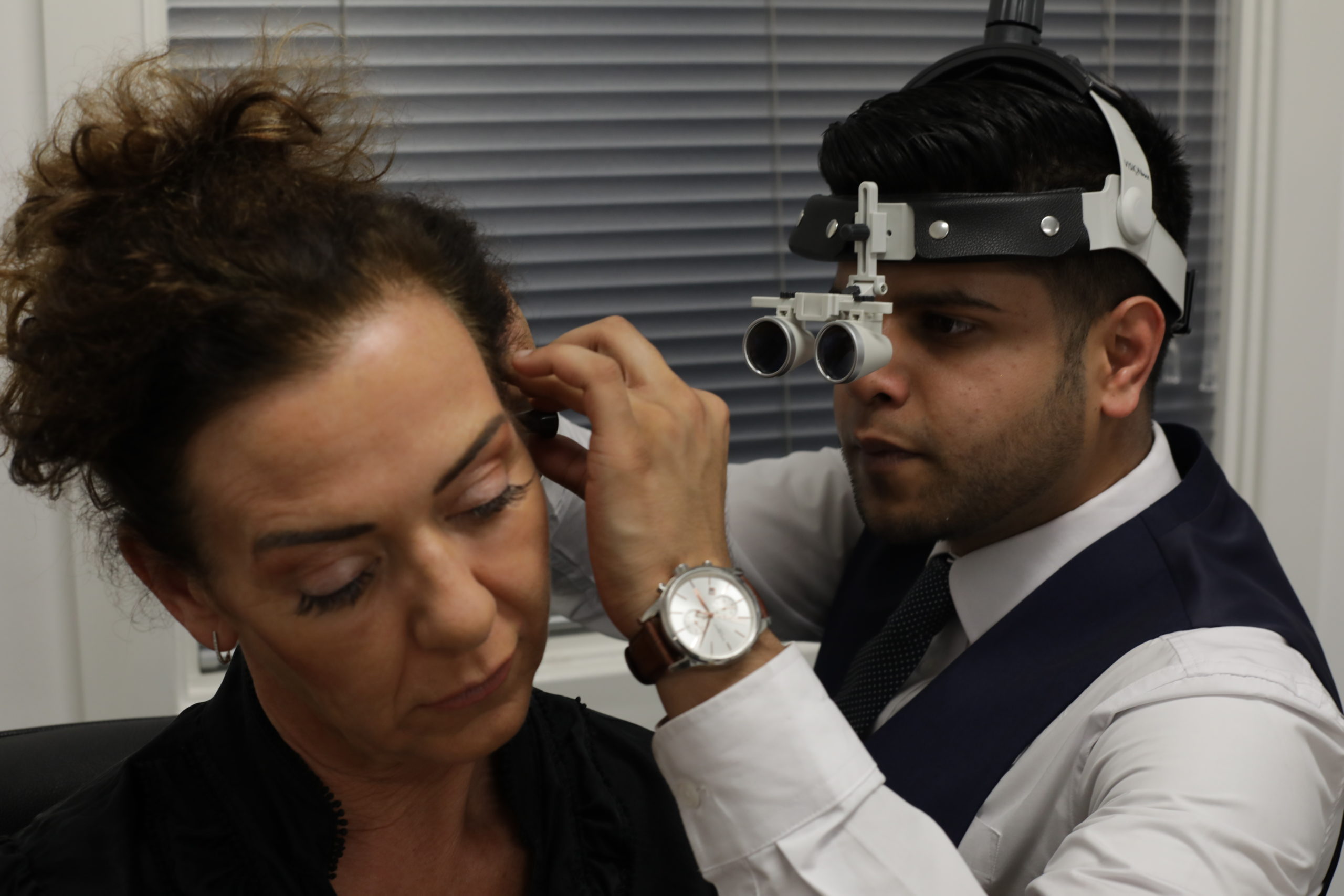
Microsuction uses a fine suction device under an operating microscope or loupes, so the audiologist can see the ear canal clearly throughout. No water or liquid is used, which makes it suitable for people with a perforated eardrum, a history of ear infections, or a mastoid cavity from previous surgery. It’s generally quick, and most people find it produces a mild vacuum sound rather than discomfort. At our clinics, this is the method we use most often because it lets us work precisely and safely.
Syringing (ear irrigation)
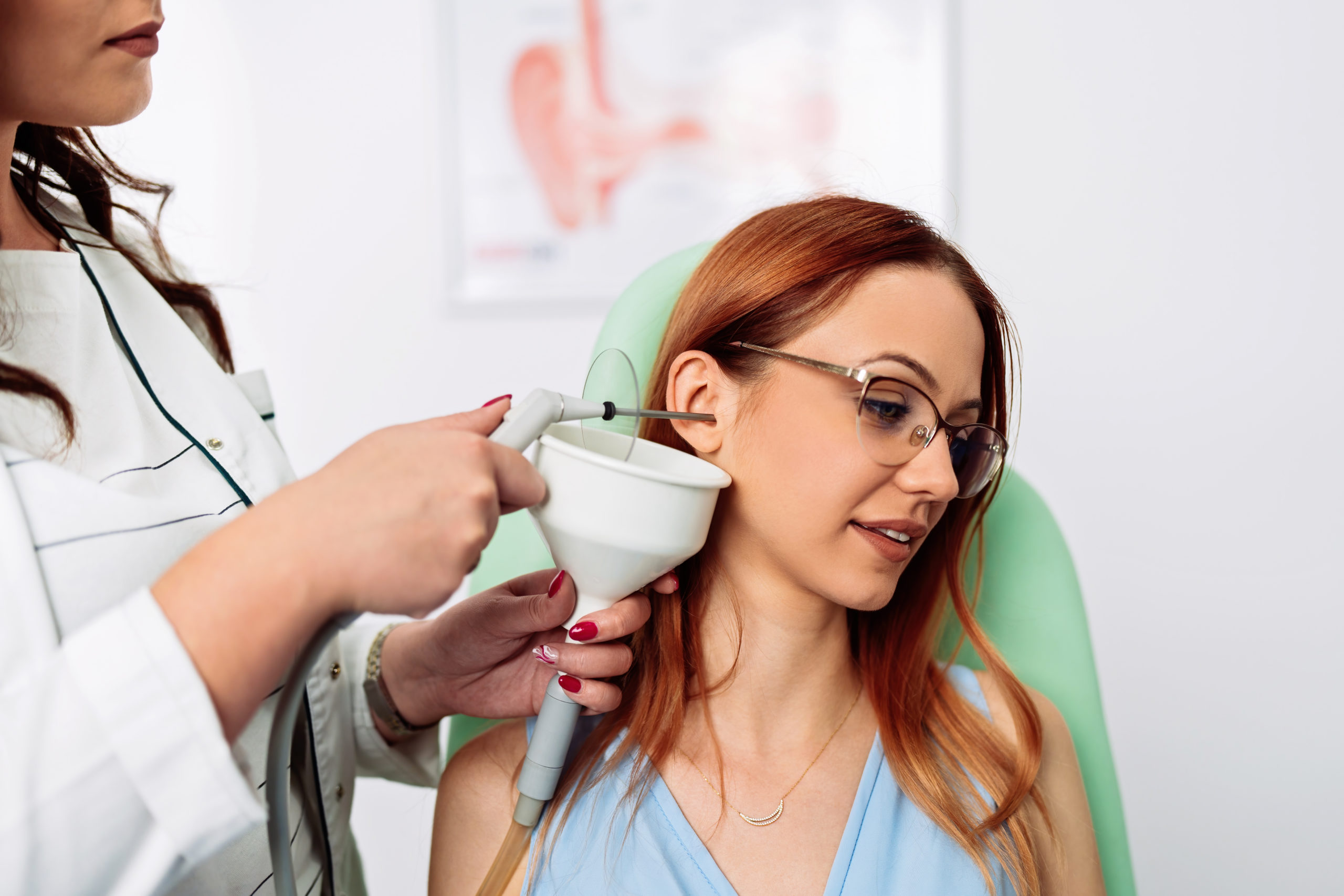
Syringing, also called ear irrigation, uses a pulsed stream of water to flush wax out of the canal. It can be effective for straightforward cases of soft wax, but it’s done without the same direct visibility as microsuction, and it isn’t suitable if you have a perforated eardrum, a current ear infection, or certain previous ear surgery. Some people find the sensation of water in the ear uncomfortable, and there’s a small risk of dizziness or, rarely, damage to the eardrum if wax is hard or tightly packed.
Ear drops
Olive oil or sodium bicarbonate drops soften wax so it can move out of the canal naturally, or so it’s easier to remove at an appointment. Used for a few days beforehand, drops make microsuction or syringing quicker and more comfortable. Used alone, though, they rarely clear a genuine blockage, particularly if wax is compacted against the eardrum. We usually recommend drops as preparation, not as a stand-alone fix if you’re already experiencing muffled hearing or blocked ears.
Which method is safest?
For most people, microsuction carries the lowest risk because it doesn’t involve water and the audiologist can see exactly what they’re doing throughout the procedure. This matters most if you have a perforated eardrum, grommets, a mastoid cavity, or recurrent ear infections — in these cases, syringing usually isn’t appropriate at all. If your ear canal and eardrum are healthy and your wax is soft, syringing can still be a reasonable option, but it’s worth discussing your history with whoever is carrying out the procedure first.
How to choose the right method for you
- You’ve had a perforated eardrum, grommets, or ear surgery: microsuction is the appropriate choice.
- You get frequent ear infections: microsuction, carried out under direct vision, is generally preferred.
- Your wax is hard or tightly packed: softening drops for a few days first will make either procedure easier and more comfortable.
- You’re anxious about the sensation of water in your ear: microsuction avoids this entirely.
- You just have mild, soft wax and no complicating history: either method can work, though many patients still prefer the precision of microsuction.
If you’re unsure, a quick look with an otoscope at a hearing assessment or wax check will usually settle it.
What it costs at The Hearing Specialist
Ear wax removal is £60 for one ear or £80 for both. With code 20OFF, both ears cost £60 at our Wimbledon, Wallington and Addiscombe clinics (Teddington offers single-ear removal only). If we check your ears and find no wax present, a £20 consultation fee applies. We also offer home visits for those who can’t get to a clinic, at £139 for wax removal or £89 for a hearing test. Every appointment is carried out by a qualified audiologist using microsuction as standard.
Frequently asked questions
Is microsuction better than syringing?
For most people, yes — microsuction is done under direct vision without water, so it’s generally more precise and carries less risk, particularly if you have a perforated eardrum or a history of ear infections. Syringing can still be appropriate for straightforward, soft wax in a healthy ear.
Can ear drops remove wax on their own?
Sometimes, if the wax is minimal and soft. For a genuine blockage, drops soften the wax but rarely clear it completely — they work best as preparation before microsuction or syringing.
How do I know which method I need?
An audiologist can tell you after a quick look in your ear. If you have any history of ear surgery, infections, or a perforated eardrum, mention this when you book so the right method is used.
Ear wax removal in Wimbledon, Teddington, Wallington and Addiscombe
We run microsuction ear wax removal clinics across South West London and Croydon — in Wimbledon, Teddington, Wallington and Addiscombe — plus home visits if you can’t travel to us. If you’d rather read about a specific concern first, our guide on whether microsuction hurts and our piece on how to choose a trustworthy clinic cover the questions we’re asked most.
If you’re ready to get your ears checked, you can book an appointment at your nearest clinic.