Phonak vs Signia vs Oticon vs Widex: Which Hearing Aid Brand Suits You?
If you are searching for the best hearing aid brand in the UK, the honest answer is that there is not one winner. Phonak, Signia, Oticon and Widex all make good modern hearing aids, and the best match depends on your hearing loss, your lifestyle and the size and style you are comfortable with. This guide explains how the four brands tend to differ, what to ask about, and how to choose without being swayed by marketing.
Quick answer
No single brand is best for everyone: Phonak, Signia, Oticon and Widex each have strengths.
Your hearing test results, lifestyle, preferred style and budget matter more than the logo on the aid.
Our independent clinics fit all four brands, with aids from £798 for one and £1,695 for a pair.
Why brand matters less than fit
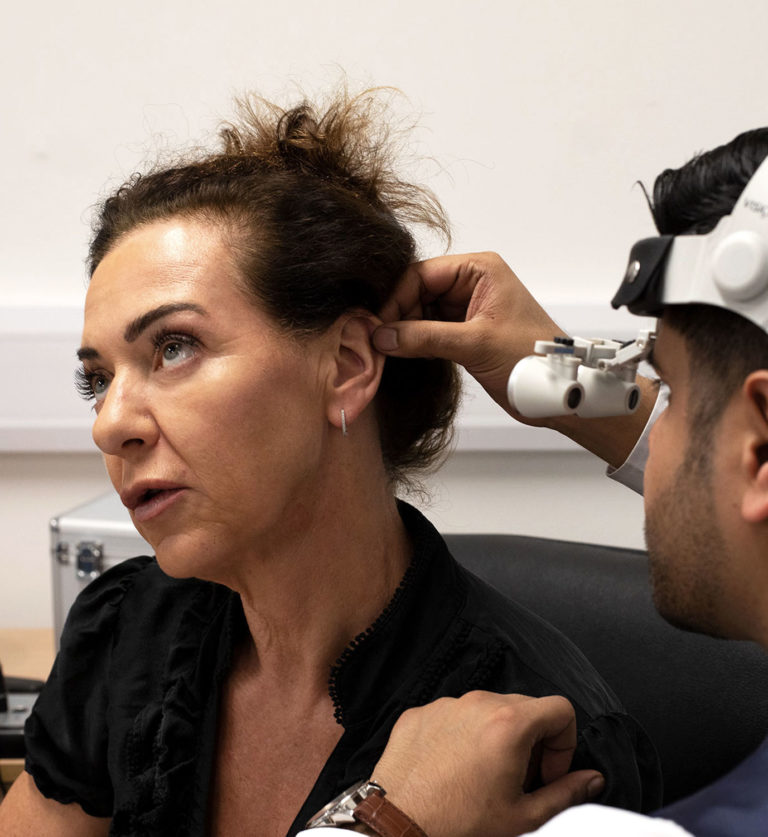
All four manufacturers make hearing aids that amplify sound, reduce background noise and connect to a smartphone. At a similar technology level the differences are real but often subtle: the sound character, the app, the styles on offer and how the charging works. What usually makes the biggest difference to how well you hear is that the aid is programmed to your hearing test results and then adjusted as you get used to it. That is why the fitting appointment matters as much as the brand you pick.
The four brands at a glance
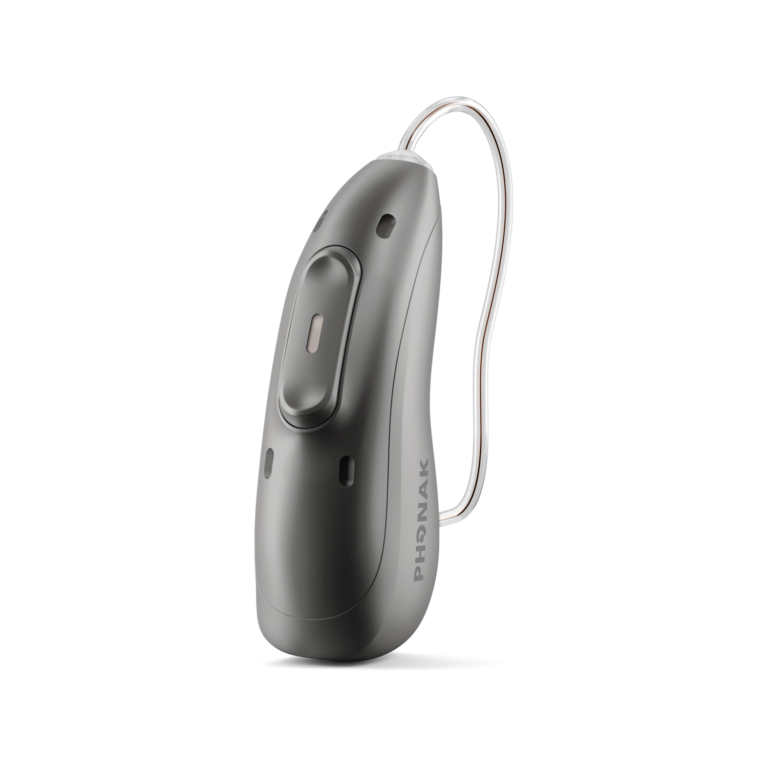
Phonak is a Swiss manufacturer with a broad range, from small discreet aids to powerful models for more significant hearing loss. Many of its current models are rechargeable. For example, the Phonak Virto R Infinio is a rechargeable custom aid that runs for around 30 hours on a charge.
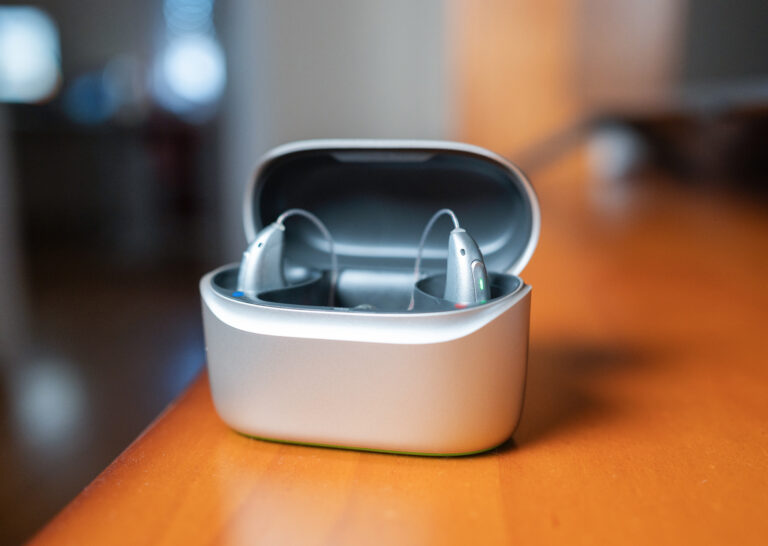
Signia offers a wide choice of styles, including rechargeable designs. Its Insio Charge&Go IX custom aids are rechargeable in the completely-in-canal style, and the Signia Pure Charge&Go MaX gives up to six hours of use from a 30-minute charge. Signia also has a companion app that lets you adjust your aids from your phone.
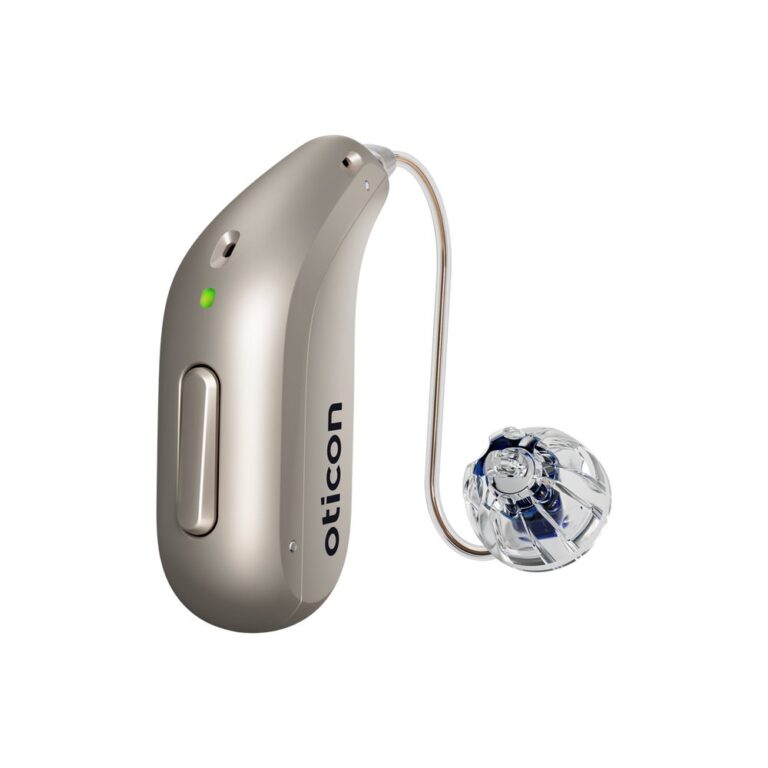
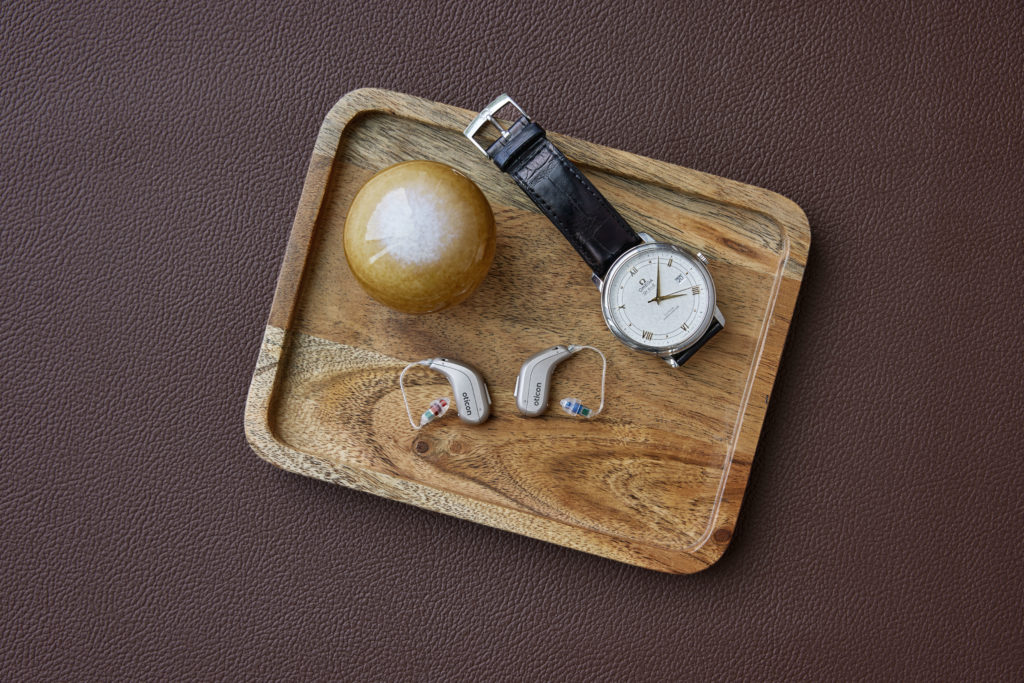
Oticon is a Danish manufacturer known for models that aim to let you hear a fuller picture of the sounds around you rather than isolating just one voice. The Oticon Zeal is a small in-the-ear style that can be fitted with soft domes on the day or with custom micro-moulds, while the Oticon Own is a custom aid that uses batteries rather than a charger.
Widex is also Danish, and its Moment range is built around a natural, clear sound. If you are someone who notices the quality of sound, particularly music, it is worth asking to hear a Widex option alongside the others.

What to compare when choosing
Rather than comparing brand names, it is more useful to compare a few practical points:
- Style: behind-the-ear with a thin tube or receiver, or a custom aid that sits in the ear. Smaller is more discreet, but the smallest aids can be fiddly to handle.
- Power source: rechargeable or disposable batteries. Check how long a charge lasts and how quickly it tops up.
- Your hearing loss: some models suit mild to moderate loss, others are built for more severe loss, and your audiogram decides what is suitable.
- Phone and TV connection: most current aids stream calls and music. Ask which phones and TV accessories are compatible.
- Dexterity and eyesight: buttons, charging cases and batteries all need handling, so try them in your own hands.
- Aftercare: adjustments in the first weeks and regular checks afterwards are what keep an aid working well.
The NHS has general information on hearing loss and its treatment, and NICE guideline NG98 covers how hearing loss in adults should be assessed and managed. Both are useful background before you decide.
What it costs
Our hearing aids start from £798 for a single aid and £1,695 for a pair, with four years of unlimited aftercare included. Cost depends on the technology level more than the brand, so you can often find a comparable option across more than one manufacturer. Our hearing aid prices page lists the options, and how much hearing aids really cost in the UK explains what you are paying for.
A short checklist before you decide
- Have an up-to-date hearing test so any recommendation is based on your own results.
- Write down where you struggle most: restaurants, meetings, the TV, phone calls.
- Decide whether rechargeable or battery suits you.
- Ask to see and handle more than one style.
- Ask what follow-up appointments and aftercare are included.
Frequently asked questions
Which hearing aid brand is the best one to buy in the UK?
There is no single best brand. Phonak, Signia, Oticon and Widex all make capable modern hearing aids, and the right choice depends on your hearing loss, the style you want, how you feel about rechargeable batteries and what you will use them for day to day. A hearing test and a conversation about your routine will narrow it down far more than a brand name.
Are rechargeable hearing aids better than battery ones?
Neither is better for everyone. Rechargeable aids are convenient if you would rather not handle tiny batteries, while battery models can suit people who travel a lot or find charging a nuisance. Some models come in both versions, and a few are battery-only, so it is worth asking about this early.
Can I try different brands before I decide?
Yes. A good clinic will let you hear the differences in a real appointment and explain what each option would mean for your hearing. Because we are independent, we are not tied to one manufacturer and can talk through all four brands with you.
Hearing aid advice across South West London
We are independent clinics, so we are not tied to a single manufacturer. You can talk through your options at Wimbledon, Teddington, Wallington and Addiscombe; the locations page has addresses and opening times. If you would like to hear the differences for yourself, you can book an appointment and we will go through the options with no obligation to buy.