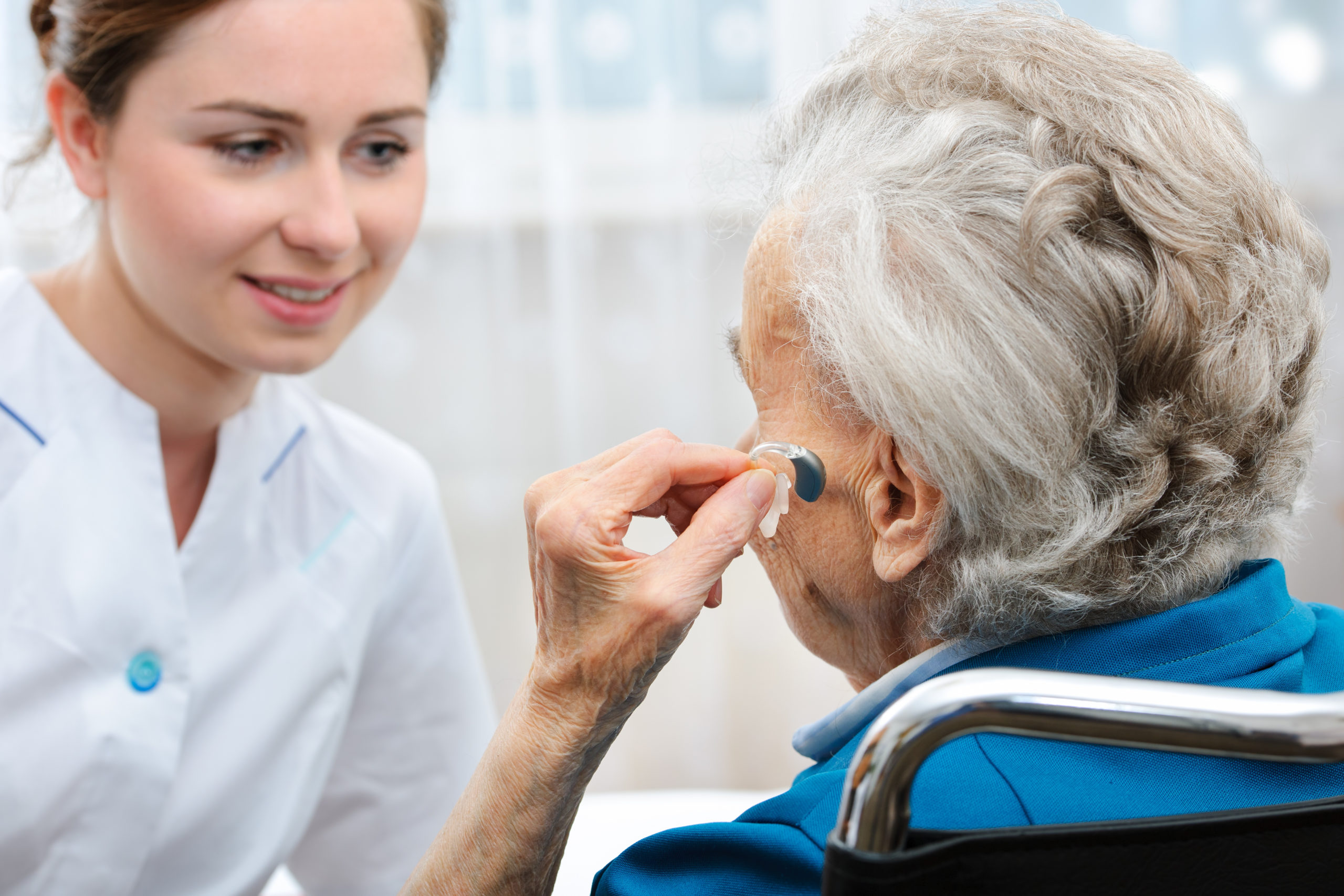
Are Private Hearing Aids Better Than NHS Hearing Aids in 2026?
If you have been told you may need hearing aids, one of the biggest decisions is whether to go through the NHS or seek private treatment.
Both options can improve hearing significantly, but they differ in availability, technology choices, convenience, and flexibility.
NHS hearing aids: what to expect
NHS hearing aids are provided free of charge to eligible patients and can offer excellent basic performance.
Typical features include:
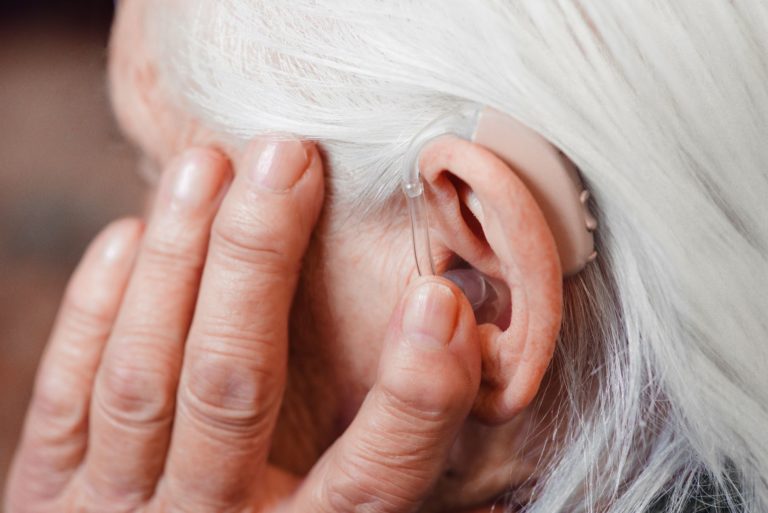
- Behind-the-ear (BTE) style devices
- Reliable speech amplification
- Basic noise reduction
- Batteries supplied by the NHS
- Ongoing maintenance and repairs
For many people, NHS hearing aids provide a valuable solution, particularly when cost is the main concern.
However, access often involves:
- GP referral
- Waiting lists for ENT or audiology
- Limited style choices
- Limited technology options
Private hearing aids: what is different?
Private clinics offer a wider range of hearing solutions tailored to individual needs.
Advantages typically include:
Faster access
You can book directly without referral and receive treatment much sooner.
Wider choice of styles
Private providers offer:
- Very discreet devices
- In-ear models
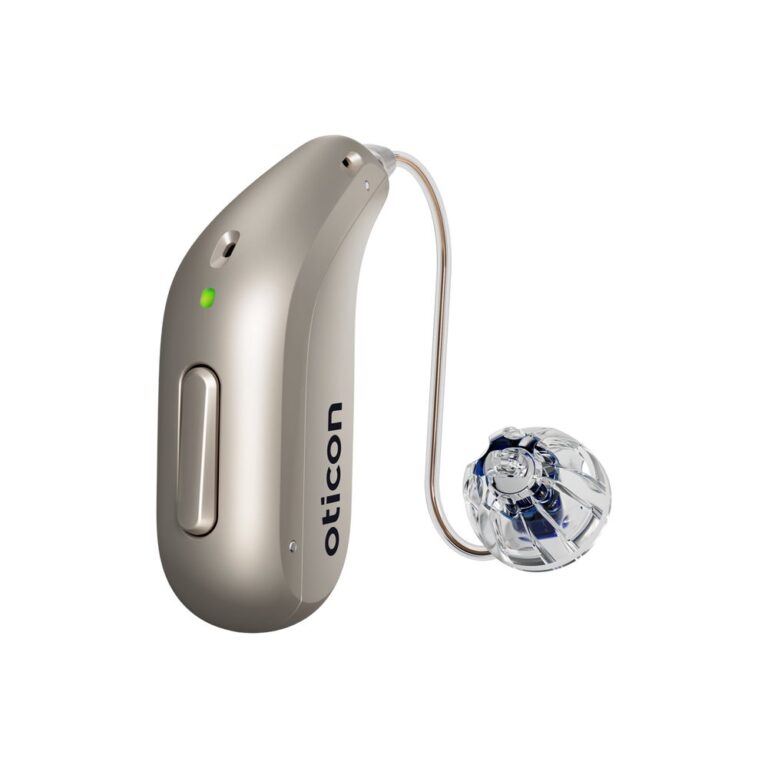
- Rechargeable options
- Custom-fit hearing aids
- Devices suitable for active lifestyles
More advanced technology
Modern private hearing aids may include:
- Sophisticated background noise management
- Bluetooth streaming for calls and TV
- Smartphone app control
- Rechargeable batteries
- Directional microphones for clearer speech
- Automatic environment adjustment
Personalised fitting and aftercare
Private audiology focuses heavily on tailoring devices to your hearing profile and lifestyle, with ongoing fine-tuning as needed.
Are private hearing aids “better”?
Not necessarily — they are different.
The NHS provides a highly valuable service, especially for straightforward hearing loss. Private care is often preferred by people who want:
- More discreet options
- The latest technology
- Faster access
- Greater flexibility
- Enhanced performance in challenging environments
- More personalised support
Who typically benefits most from private hearing care?
Private hearing aids are particularly popular among people who:
- Are still working or socially active
- Frequently attend meetings or group settings
- Use phones and video calls regularly
- Want rechargeable convenience
- Value discreet appearance
- Want the best possible clarity in noise
Cost vs long-term value
Private hearing aids involve upfront cost, but many providers include:
- Multi-year warranties
- Servicing and adjustments
- Ongoing aftercare
- Trial periods
- Finance options
The most important step is still the hearing test
Regardless of which route you choose, a professional hearing assessment is essential.
It determines:
- Whether hearing aids are needed
- The type of hearing loss
- Which solutions will be effective
- Whether alternative treatments may help
Book a private hearing assessment in South London
The Hearing Specialist provides comprehensive hearing tests and personalised advice on both NHS and private pathways. We will explain your results clearly and help you decide which option best suits your needs, lifestyle, and budget. Clinics available in Wimbledon, Wallington, and Teddington.
Book your hearing test today and explore the options available to you.
Ready to rediscover clear sound?
Contact your local clinic today to trial the latest BTE and ITE technology.