Considering Hearing Aids? An Honest Guide to Getting This Decision Right
You’ve reached the point where you’re seriously thinking about hearing aids.
Maybe your family has been dropping hints. Maybe you’re tired of pretending you heard what someone said. Maybe you’ve watched a friend get hearing aids and seen what a difference they made or watched another friend buy expensive ones that now sit in a drawer.
Whatever brought you here, you probably have questions. Lots of them. And you might not be sure who you can trust to give you straight answers.
This guide is my attempt to answer the questions you’d ask if we were sitting across from each other having a cup of tea. No jargon, no sales pitch text—just the honest information you need to make a decision you’ll feel good about.
The Question Nobody Asks Out Loud: “Am I Going to Be Taken Advantage Of?”
Let’s address this directly, because it’s often the biggest barrier.
You’ve probably heard stories. Someone’s uncle spent £6,000 on hearing aids that didn’t help. A neighbour was pressured into the top-of-the-range model when something simpler would have worked. A friend went somewhere that seemed more interested in making a sale than solving a problem.
These stories are, unfortunately, sometimes true. Not everywhere operates the same way.
Here’s what I think you deserve to know upfront:
You don’t need the most expensive hearing aids to hear well. The right hearing aids are the ones that match your specific hearing loss and your actual life not the ones with the longest feature list or the highest price tag.
A good audiologist will tell you if you don’t need hearing aids. If your hearing test shows your hearing is fine, or that hearing aids wouldn’t significantly help your situation, you should be told that clearly. If someone is pushing hearing aids before they’ve even tested your hearing properly, that’s a red flag.
You should never feel pressured to decide on the spot. Any audiologist worth their salt will give you time to think, to discuss with family, and to come back with questions. High-pressure tactics belong in car dealerships, not healthcare.
The relationship matters as much as the product. Hearing aids need adjusting, maintaining, and occasionally repairing. You’ll be seeing your audiologist regularly for years. If you don’t feel comfortable with them now, that’s not going to improve.

“There Are So Many Options How Do I Know What I Actually Need?”
Walk into any hearing aid discussion and you’ll be hit with a wall of choices. Different styles, different brands, different technology levels, different prices. It’s overwhelming by design but it doesn’t have to be.
Here’s how to think about it simply:
Style: What Goes Where
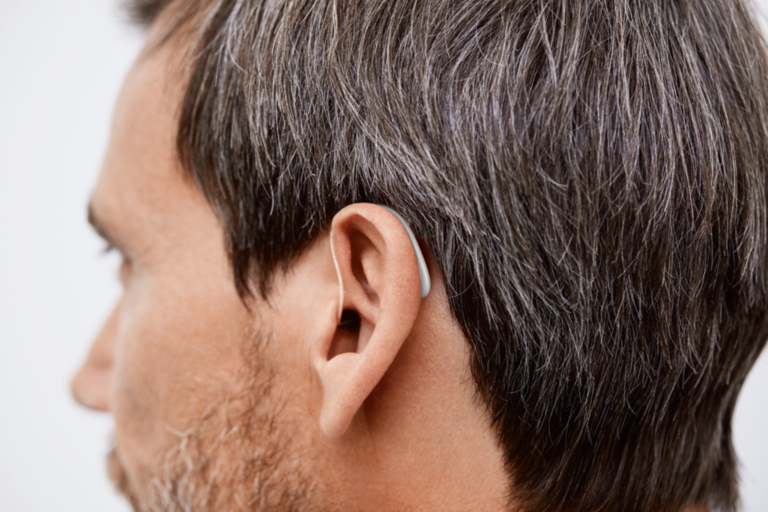
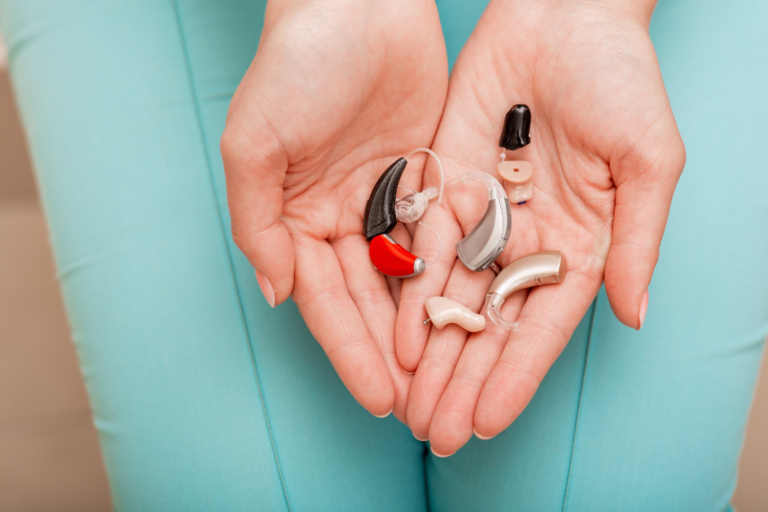
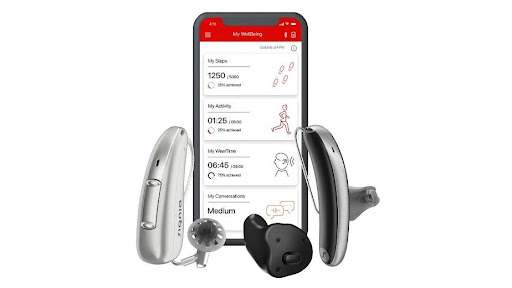
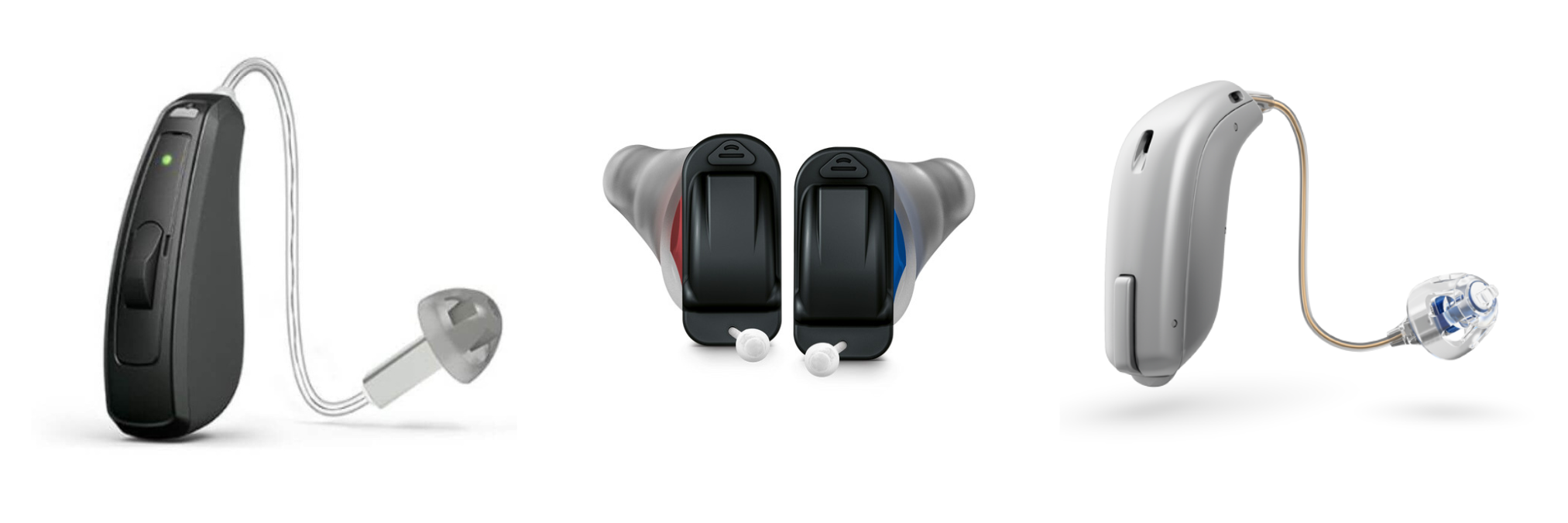
Behind-the-ear (BTE): The main part sits behind your ear with a thin tube or wire going into your ear canal. These are the most common type today they’re reliable, easy to handle, and work for most types of hearing loss. Modern ones are surprisingly small.
In-the-ear (ITE) or in-the-canal (ITC): The whole hearing aid fits inside your ear. More discreet, but can be fiddly if you have dexterity issues. Not suitable for all types of hearing loss.
Completely-in-canal (CIC): Sits deep in the ear canal, nearly invisible. But they’re tiny, which means smaller batteries, fewer features, and they’re not suitable for severe hearing loss or very narrow ear canals.
The honest truth: Most people end up with behind-the-ear styles because they offer the best balance of performance, comfort, and ease of use. The “invisible” options sound appealing but come with trade-offs that matter in daily life.
Technology Levels: What You’re Actually Paying For
Hearing aid manufacturers typically offer each model in several technology tiers often called something like Essential, Standard, Advanced, and Premium. The higher you go, the more you pay.
Here’s what actually changes:
Entry level: Basic amplification matched to your hearing loss. Works well in quiet environments. Good for people who mainly need help with one-on-one conversation at home.
Mid level: Better at handling background noise. More natural sound quality. Suits people who are regularly in moderately noisy situations restaurants occasionally, family gatherings, active social life.
Higher levels: Sophisticated noise management for challenging environments. Better at picking out speech in crowds, reducing wind noise, adapting automatically to different situations. Important if you’re frequently in noisy places, attend meetings, or have very active lifestyles.
What this means for you: If you spend most of your time at home with occasional outings, you probably don’t need premium technology. If you’re regularly in busy restaurants, meetings, or social situations with lots of background noise, the higher technology levels will make a genuine difference to your experience.
A good audiologist will ask about your actual life not sell you premium technology because it exists.
“Will People Notice I’m Wearing Them?”
This matters to almost everyone, even if they feel they shouldn’t admit it.
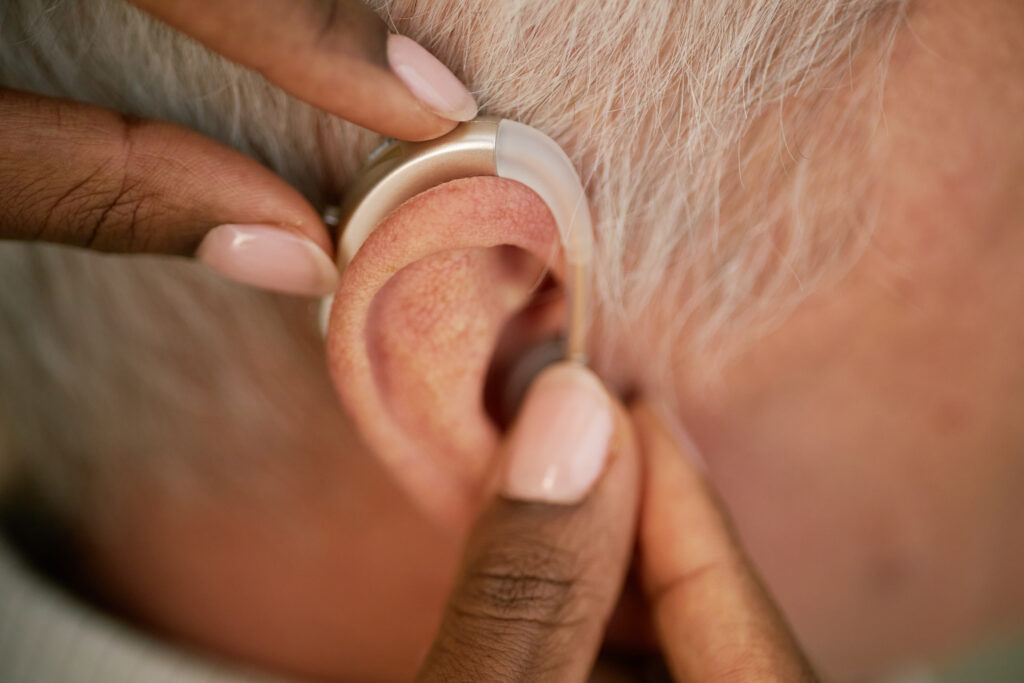
The straightforward answer: modern hearing aids are remarkably discreet. Behind-the-ear styles are now so small that they’re genuinely hard to spot, especially if you have any hair coverage at all. The part that sits behind your ear is often no bigger than a coffee bean. The wire going into your ear is nearly invisible.
Many people are surprised when they see current hearing aids compared to what they remember from years ago. The bulky beige bananas of the past are gone.
That said, here’s a perspective worth considering: once you’re hearing clearly again, you’ll likely care less about whether anyone notices. Most people are far more self-conscious about constantly asking “what?” than they ever are about a small device behind their ear.
And frankly, hearing aids are becoming increasingly normalised. With wireless earbuds everywhere, having something in or around your ear is completely unremarkable now.
“What If I Buy Them and They End Up in a Drawer?”
This is a legitimate concern. It happens. But it usually happens for preventable reasons:
Reason 1: They were never fitted properly in the first place. Hearing aids need to be programmed precisely to your audiogram your individual hearing profile. Generic settings don’t work. If your hearing aids were fitted based on a quick test or without proper verification, they probably won’t sound right.
Reason 2: There was no follow-up support. Your brain needs time to adjust to hearing sounds it’s been missing, sometimes for years. This process takes weeks, and the hearing aids often need tweaking during that time. Without follow-up appointments to fine-tune the settings based on your real-world experience, many people give up before they’ve properly adapted.
Reason 3: They were the wrong style or technology for the person’s needs. Tiny invisible hearing aids sound appealing, but if you have arthritis in your fingers, you might never manage to put them in. Premium technology is wasted if you rarely leave the house. The “best” hearing aid is the one that matches your life.
Reason 4: Expectations weren’t managed. Hearing aids help enormously, but they don’t give you perfect hearing. They won’t restore the hearing you had at 25. If someone expects a miracle cure, they’ll be disappointed not because the hearing aids failed, but because no hearing aid can do the impossible.
How to avoid the drawer: Choose an audiologist who takes time with the initial fitting, schedules proper follow-ups, and is genuinely available when you have questions or problems. The ongoing relationship matters more than the brand name on the box.
“What About the NHS? Why Would I Pay When I Can Get Them Free?”
This is a fair question, and the honest answer is: NHS hearing aids work perfectly well for many people.
The differences with private audiology typically come down to:
- Time and attention: NHS audiology departments are stretched. Appointments are often shorter, waits are longer, and there’s less time for the detailed fitting and adjustment process that makes a real difference.
- Choice of devices: The NHS offers a limited range of styles and technology levels. If you want something more discreet, or need features not available on NHS aids, private is your only option.
- Follow-up care: Getting adjustments or help with problems can involve lengthy waits through the NHS. Private audiologists typically offer quicker access for follow-ups.
- The fitting process: Private audiology usually involves more comprehensive testing and verification to ensure the hearing aids are performing optimally for your specific loss.
Should you go private? Not necessarily. If you’re eligible for NHS hearing aids and your needs are straightforward, they may serve you well. But if you’ve tried NHS aids and found them lacking, if you want more choice in styles, or if you value having more time and quicker access to support, private audiology offers genuine advantages.
We’re happy to discuss honestly whether private hearing aids would make a meaningful difference for your situation or whether the NHS route makes more sense for you.
“I Tried Hearing Aids Before and They Didn’t Work for Me”
If you had a disappointing experience in the past, you might assume hearing aids simply don’t work for you.
Before you write them off, it’s worth understanding what might have gone wrong:
- Technology has improved dramatically. If your last experience was five or ten years ago, today’s hearing aids are significantly better particularly at managing background noise and sounding more natural.
- Your previous fitting may have been inadequate. This is the most common reason hearing aids disappoint. Rushed fittings, insufficient follow-up, or hearing aids that weren’t properly matched to your loss.
- Your hearing may have changed. Hearing loss typically progresses over time. Hearing aids that worked five years ago may no longer be appropriate for your current hearing.
- You may not have been given enough time to adjust. The brain needs weeks to adapt. If you gave up after a few days because things sounded “tinny” or “too loud,” you may have stopped just before things started to feel normal.
If you’re willing to try again with a thorough fitting process and proper support, the outcome is often completely different.

“How Do I Know If I Can Trust You?”
You can’t know for certain from a website or a blog post. Trust is built through experience. But here’s what I’d suggest looking for in any audiologist:
- Do they listen before they prescribe?
- Do they explain things clearly?
- Are they honest about limitations?
- Do they offer a trial period?
- What happens after the sale?
- Do you feel comfortable with them?
What Happens When You Come to See Us
Before your appointment: We’ll send you some simple forms to fill in about your hearing history and what’s prompted you to seek help.
The assessment itself (about an hour):
- We’ll talk about your hearing, concerns and goals.
- We’ll examine your ears.
- We’ll carry out a full hearing test.
- We’ll explain the results in plain English and discuss appropriate options.
If you decide to proceed: We’ll arrange a fitting appointment where the hearing aids are programmed precisely to your audiogram and fine-tuned to your feedback.
After fitting: We schedule follow-up appointments to fine-tune the settings based on your real-world experience and remain available for support.
If it’s not right: We offer a trial period.
The Questions You Should Ask Any Audiologist
- What happens if the hearing aids don’t work for me?
- What’s included in the price?
- How many follow-up appointments will I have, and is there a charge?
- What happens if I have a problem in six months? In two years?
- Can you explain why you’re recommending this particular hearing aid over other options?
- What won’t hearing aids be able to help with?
Any audiologist who can’t or won’t answer these questions clearly is worth avoiding.
Taking the Next Step
If you’ve read this far, you’re probably ready to do something about your hearing. That takes courage acknowledging you need help isn’t easy.
Here’s what I’d suggest:
- Start with a hearing test.
- Bring someone with you.
- Write down your questions.
- Take your time.
Book a Hearing Assessment
We have clinics in Wimbledon, Teddington, and Wallington, with appointments available Monday through Saturday. Home visits are also available if getting to a clinic is difficult.
Call: 020 8150 7178
Book online: thehearingspecialist.co.uk
Whether you’re exploring hearing aids for the first time, unhappy with what you currently have, or just want to understand where your hearing stands we’re here to help you make a decision you’ll feel confident about.
No pressure, no jargon, and honest answers to all your questions.