
One Ear Blocked or Muffled? Causes, When It’s Wax and When to See Someone
If one ear suddenly feels blocked or muffled, a build-up of ear wax is a common explanation, but it is not the only one. A cold, a flight, an ear infection or, less often, a problem with the inner ear can all feel very similar. This guide explains how to tell the likely causes apart, what you can safely try at home, and when to get help quickly.
Quick answer
A gradually blocked, itchy ear with muffled hearing on one side is often ear wax, and olive oil drops or professional removal usually sort it.
Blockage after a cold or flight, or with pain, discharge or a temperature, points to pressure or infection rather than wax.
Sudden hearing loss in one ear, especially with dizziness or ringing, needs urgent advice from a GP or NHS 111, ideally the same day.
Why one ear can feel blocked or muffled
The NHS hearing loss page sets out the usual causes of hearing changes alongside the symptoms that tend to come with each. When only one ear is affected, the main possibilities are:
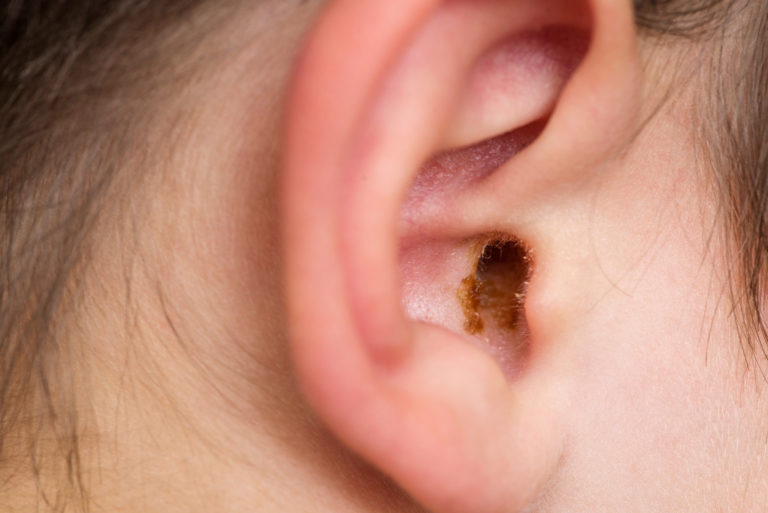
- Ear wax build-up. Difficulty hearing, usually in one ear, with itchiness and a feeling that the ear is blocked.
- An ear infection. Difficulty hearing in one ear with earache, a high temperature, itching, a feeling of pressure or discharge coming out of the ear.
- Pressure changes. A blocked, “underwater” feeling after a cold, sinus congestion or flying, when the small tube linking the middle ear to the back of the nose is not equalising pressure properly.
- A perforated eardrum. Sudden hearing loss after an ear infection, a very loud noise or a change in air pressure.
- Inner ear causes. Sudden hearing loss together with dizziness, a spinning sensation (vertigo) or ringing in the ear (tinnitus), which the NHS links to conditions such as labyrinthitis or Ménière’s disease.
If you would like a broader look at blocked ears in general, including both ears, our earlier article Why is my ear blocked? covers the background in more detail.
Signs it is more likely to be wax
Wax is a normal, protective substance and usually works its way out on its own. It tends to cause trouble when it builds up and sits against the eardrum or blocks the canal. Clues that point towards wax include:
- The muffled feeling crept up over days or weeks, or came on after showering or swimming when water made the wax swell.
- The ear feels full or itchy but is not especially painful.
- You have no temperature and no discharge.
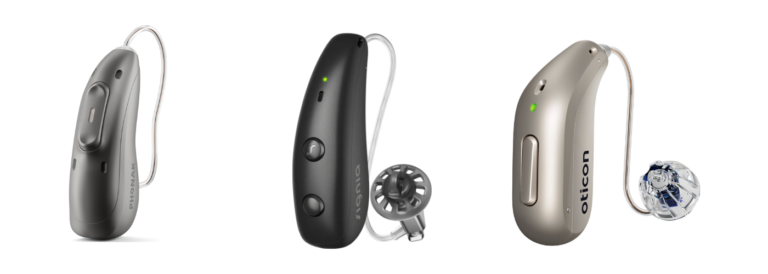
- You use cotton buds, wear hearing aids or earplugs, or have had wax problems before.
The NHS lists hearing loss, a blocked feeling or earache, tinnitus and sometimes dizziness as symptoms of earwax build-up, so wax can produce more than just muffled hearing.
Signs it is probably not wax
- It started with a cold or after a flight. Pressure-related blockage often comes with popping or crackling and may ease as the cold clears.
- There is pain, a temperature or discharge. These point towards infection, which may need treatment from a GP or pharmacist.
- It happened suddenly, over hours or a few days, with no obvious reason. This is the one to take seriously, as explained below.
- It came with dizziness, vertigo or new ringing in that ear. These suggest the inner ear may be involved.
When to get help urgently
The NHS advises asking for an urgent GP appointment or contacting NHS 111 if you have sudden hearing loss in one or both ears, if your hearing has been getting worse over the last few days or weeks, or if you have hearing loss along with symptoms such as earache or discharge. It might not be anything serious, but some causes need to be treated quickly.
NICE guidance for clinicians (NG98) recommends that adults with hearing loss that came on suddenly, over 3 days or less within the past 30 days, and is not explained by an outer or middle ear cause such as wax, are referred to be seen within 24 hours by an ear, nose and throat service or an emergency department. It gives the same 24-hour timescale for hearing loss in one ear with altered sensation or facial droop on that side. In practice, if your ear went muffled suddenly and you cannot see an obvious reason, treat it as urgent rather than waiting to see if it clears.

What you can safely try at home
If the blockage came on gradually and you are fairly confident it is wax, the NHS suggests lying with the affected ear facing up, putting 2 to 3 drops of olive or almond oil into the ear and staying on your side for 5 to 10 minutes. Repeat 3 to 4 times a day for 3 to 5 days. Do not use almond oil if you are allergic to almonds, and do not use drops if you have, or might have, a perforated eardrum.
A few things are best avoided:
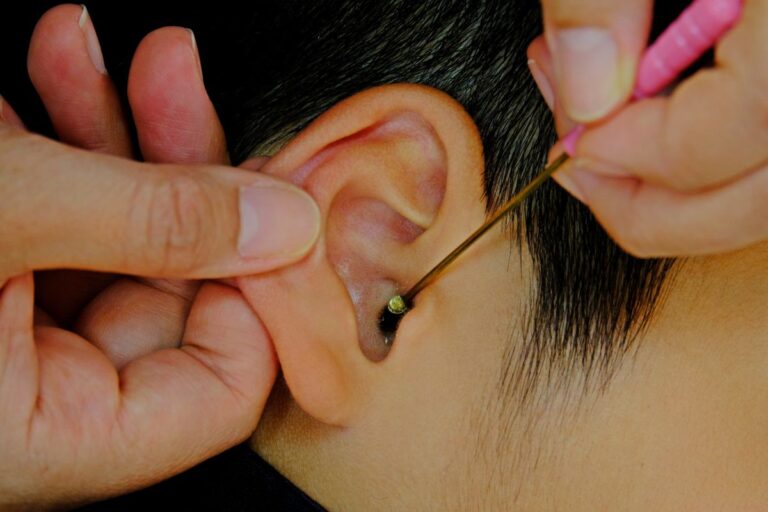
- Cotton buds, fingers or other objects, which tend to push wax further in.
- Ear candles and ear vacuums, which the NHS says there is no evidence for.
If symptoms have not cleared after 5 days, or the ear is so blocked you cannot hear anything, it is time to have it looked at. Our guide to microsuction vs syringing vs ear drops explains how the different removal methods compare.
What happens when you get it checked
The first step is simply looking in the ear. That tells you whether wax is the problem at all. If it is, it can usually be removed in the same appointment with microsuction ear wax removal, which uses gentle suction under magnification. At our clinics this costs £60 for one ear or £80 for both (single-ear appointments only at Teddington). Until 31 December 2026, both ears are £60 with the code 20OFF at Wimbledon, Wallington and Addiscombe.
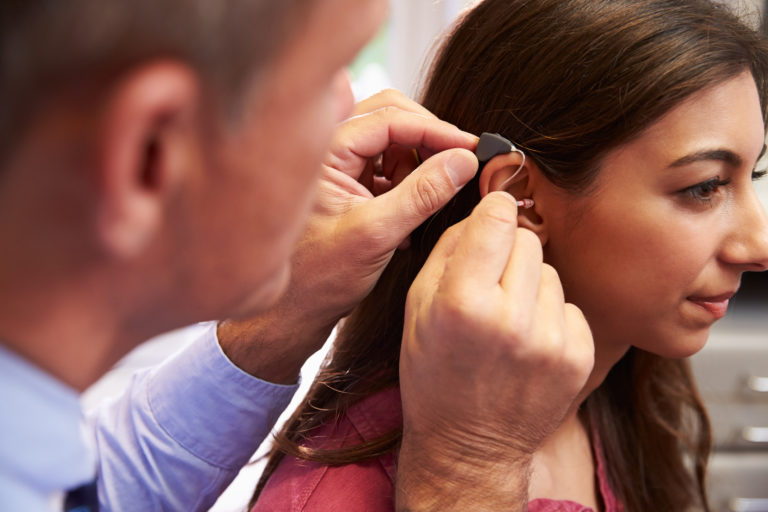
If the canal is clear and wax is not the cause, there is a £20 consultation fee instead, and we will explain what we can see and whether you should speak to your GP or NHS 111. If your hearing still feels dull once any wax is gone, a hearing test (£59) is the sensible next step to check what is happening in each ear.
Quick checklist
- Sudden loss, facial weakness, or loss with dizziness: urgent GP appointment or NHS 111, the same day.
- Pain, discharge or a temperature: GP or pharmacist.
- Gradual, itchy, full feeling with no pain: try oil drops for up to 5 days.
- Still blocked after 5 days: have the ear examined and any wax removed.
- Still muffled after the wax is cleared: book a hearing test.
Frequently asked questions
Can ear wax make only one ear feel blocked?
Yes. Wax often builds up more in one ear than the other, so it is common for just one side to feel blocked or muffled. The NHS lists difficulty hearing, usually in one ear, and a feeling that the ear is blocked as typical signs of earwax build-up.
How long should I wait before getting a blocked ear checked?
If it came on gradually and you suspect wax, the NHS suggests trying olive or almond oil drops and seeing someone if symptoms have not cleared after 5 days. If your hearing dropped suddenly, or you have pain, discharge, dizziness or facial weakness, do not wait: get urgent advice from a GP or NHS 111.
What if my ear is still muffled after wax removal?
Ask for a hearing test. Once the ear canal is clear, a muffled feeling that remains may have another cause, such as a middle ear or inner ear problem, and a hearing test is the next step in finding out. If anything needs medical attention, you should be referred to your GP or an ENT service.
Blocked ear help in Wimbledon, Teddington, Wallington and Addiscombe
We see people with blocked or muffled ears at our clinics in Wimbledon, Teddington, Wallington and Addiscombe in Croydon. You can find addresses and opening details on our locations page. If getting to a clinic is difficult, we also offer home visits for ear wax removal and hearing tests.
If one ear has felt blocked for more than a few days and there are no urgent warning signs, you are welcome to book an appointment and we will take a look.