
7 Signs You Need a Hearing Test — And How to Know If Hearing Aids Could Help
Many people put off booking a hearing test because they assume their hearing is “not that bad yet”. In reality, hearing loss often develops gradually, which means the signs can be easy to miss at first. You may simply find yourself asking people to repeat themselves more often, avoiding noisy places, or turning the television up a little louder than everyone else would like.
The good news is that modern hearing care has moved on enormously. Today’s hearing aids are smaller, more comfortable, more discreet, and far better in background noise than many people expect. If you have been wondering whether it is time to get your hearing checked, here are some of the most common signs to look out for.
How to Recognize the Early Signs of Hearing Loss
1.You can hear people talking, but you cannot always make out the words
This is one of the most common early signs of hearing loss. Many people say, “I can hear sound, but speech just isn’t clear.” That is because hearing loss often affects clarity before it affects volume.
You may especially notice this with softer voices, children’s voices, or when someone is speaking from another room
2.You struggle much more in restaurants, pubs, family gatherings, or group conversations
Background noise is often where hearing difficulties become most obvious. If you can manage oneto-one conversations fairly well but find group settings tiring or frustrating, that is a strong sign that your hearing needs to be assessed.
This is also one of the main reasons people eventually choose hearing aids. Modern hearing aid technology is specifically designed to help improve speech understanding in more difficult listening environments.
3. The TV volume keeps creeping up
If family members are regularly telling you the television is too loud, it may not be the TV at all. Needing louder television volume, relying more on subtitles, or struggling to follow dialogue is a very common sign that your hearing is not as sharp as it used to be.
4. You often ask people to repeat themselves
Occasionally asking someone to repeat themselves is normal. Doing it regularly is not something to ignore. Phrases such as:
- “Sorry?”
- “What was that?”
- “Can you say that again?”
can become habits so gradually that many people do not realise how often they are doing it.
5. Phone calls are becoming harder to follow
If conversations on the phone feel more difficult than they used to, or you find yourself preferring speakerphone because it sounds clearer, it may be time for a hearing test.
This is particularly important because many of today’s hearing aids can connect directly to smartphones via Bluetooth, making calls much clearer and easier to follow.
6. You feel more tired after social situations
Untreated hearing loss does not just affect your ears. It can also make listening more mentally exhausting. When you are constantly concentrating, filling in gaps, and trying to work out what people have said, social situations can become draining.
Many people are surprised by how much easier everyday life feels once their hearing is properly assessed and managed.
7. You are wondering whether it might just be ear wax
Sometimes reduced hearing is caused by a build-up of wax. Sometimes it is a genuine hearing loss. Sometimes it is a mix of both.
That is exactly why a professional assessment matters. A proper hearing appointment can help work out whether the problem is likely to be wax, hearing loss, or something else entirely. If wax is the issue, that can often be managed quickly. If there is an underlying hearing loss, identifying it early gives you far better options
So, how do you know if hearing aids could help?
The only real way to know is to have your hearing tested properly.
A hearing test does not automatically mean you need hearing aids. It simply gives you a clear picture of what is going on and whether treatment would benefit you. If a hearing loss is found, the next step is matching the solution to your hearing levels, lifestyle, and priorities.
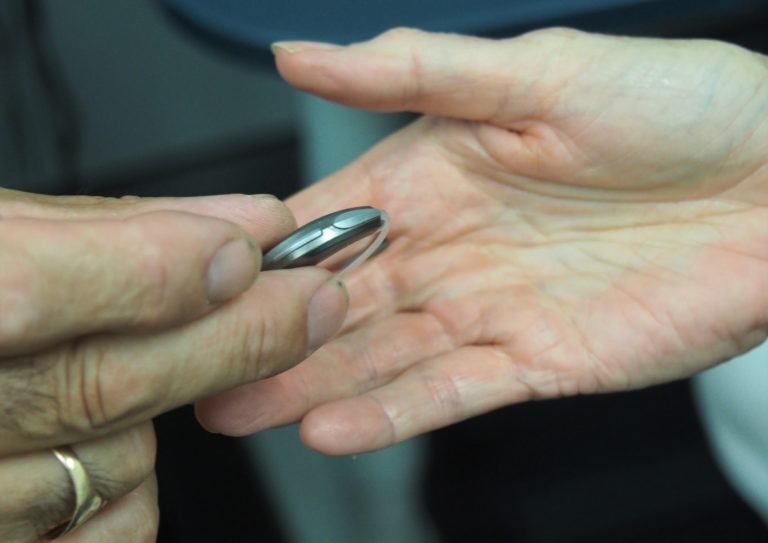
For example, some people want the most discreet option possible. Others care more about clearer hearing in noise, rechargeable convenience, or Bluetooth streaming for phone calls and television. There is no single “best hearing aid” for everyone. The right solution depends on your hearing test results and your day-to-day needs.
Why acting early matters
Many people wait years before doing anything about their hearing. In practice, this usually means spending years struggling more than necessary
The earlier you act:
- the easier conversations can become again
- the easier it is to stay confident socially
- the easier it is to choose hearing technology that fits your lifestyle
- the sooner you can stop second-guessing what you are missing
A lot of patients say the same thing after finally getting help: they wish they had done it sooner.
What happens at a hearing test?
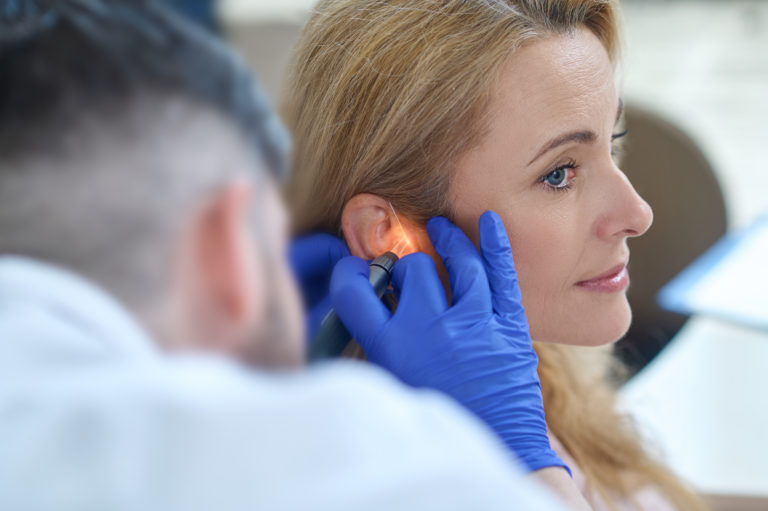
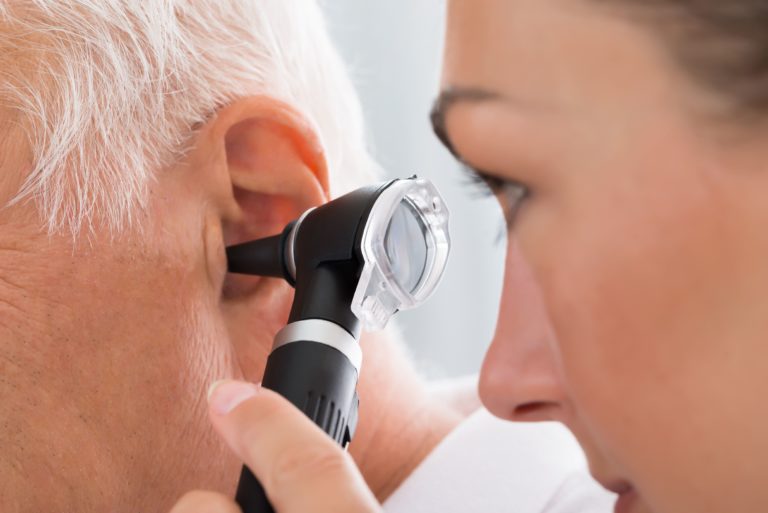
At The Hearing Specialist, a hearing test starts with a professional assessment of your ears and hearing. We check for obvious issues such as wax build-up or abnormalities, then carry out a full hearing assessment to understand whether hearing loss is present and how it is affecting you.
From there, we can explain your results clearly and talk you through the most suitable next steps. If hearing aids are appropriate, we can advise on the best options for your hearing, budget, and lifestyle.
Book a hearing test in Wimbledon, Wallington or Teddington
If any of the signs above sound familiar, it is worth getting your hearing checked.
The Hearing Specialist offers professional hearing tests in Wimbledon, Wallington, and Teddington. If needed, we can also advise whether ear wax removal or hearing aids are the right next step for you.
Booking a hearing test is often the first step towards hearing more clearly, feeling more confident, and making everyday conversations easier again.From there, we can explain your results clearly and talk you through the most suitable next steps. If hearing aids are appropriate, we can advise on the best options for your hearing, budget, and lifestyle.
Ready to rediscover clear sound?
Contact your local clinic today to trial the latest BTE and ITE technology.