
My Ears Were Cleared But I Still Can’t Hear Properly – What It Means and What to Do Next
You finally booked that ear wax removal appointment. The blockage is gone, your ears feel lighter, and you expected everything to sound crisp and clear again. But something’s not right. Conversations are still muffled. You’re still asking people to repeat themselves. The TV volume hasn’t come down.
If this sounds familiar, you’re not alone—and there’s usually a straightforward explanation.
Why Hearing Doesn't Always Bounce Back After Wax Removal
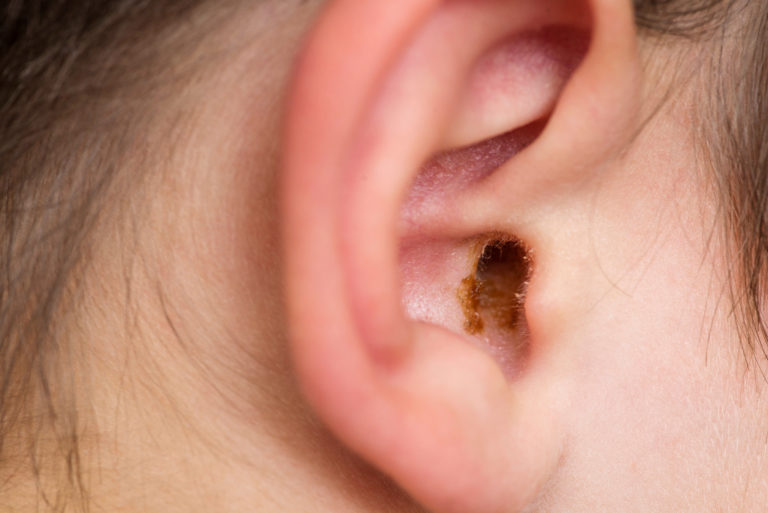
Ear wax buildup causes a specific type of hearing reduction called conductive hearing loss. Sound waves physically can’t reach your eardrum because wax is blocking the path. Remove the wax, remove the problem—in theory.
But here’s what many people discover: the wax was only part of the issue.
When you’ve been living with muffled hearing for months (sometimes years), it’s easy to assume wax is entirely to blame. It’s visible, it’s tangible, and it’s a fixable problem. But wax buildup often masks an underlying hearing change that’s been developing gradually underneath. Once the wax is gone, that underlying change becomes apparent for the first time.
The Difference Between Blocked Ears and Hearing Loss
Understanding the distinction matters because the solutions are completely different.
Wax Blockage:
- Cause: Physical obstruction in the ear canal
- Sensation: Fullness, pressure, muffled sound
- Onset: Can happen relatively quickly
- Reversible? Yes, with professional removal
- Common signs: Everything sounds quieter
Sensorineural Hearing Loss:
- Cause: Changes to the inner ear or auditory nerve
- Sensation: Difficulty with clarity, especially speech
- Onset: Usually gradual over years
- Reversible? No, but highly manageable with hearing aids
- Common signs: You hear people but can’t understand them
The second type—sensorineural hearing loss—is the most common form of permanent hearing change in adults. It typically affects higher frequencies first, which is why consonants (the sounds that give speech its clarity) become harder to distinguish while you can still hear that someone is talking.
“I Hear People Fine—I Just Can’t Understand Them”
This is one of the most common things we hear from patients who come in after unsuccessful wax removal elsewhere.
They’re not wrong. They can hear. The problem is clarity, not volume.With age-related hearing changes, the brain receives incomplete sound information. It’s like trying to read a sentence with letters missing:
“_ould you _ass the _alt _lease?”
You can probably work it out from context. But it takes effort, causes fatigue, and doesn’t work well in noisy environments where there are multiple conversations competing for your attention. This is why turning up the TV helps a little but never quite solves the problem—you’re making everything louder, but the missing frequencies are still missing
When to Book a Hearing Test
A comprehensive hearing assessment is the only way to know exactly what’s happening. If you recognise any of these situations, it’s worth getting checked:
- Your hearing didn’t fully return after wax removal—the most obvious sign that something else is going on
- You hear better in quiet rooms than busy ones—background noise makes understanding speech significantly harder
- You’ve started watching people’s lips—many people unconsciously begin lip-reading to fill in gaps
- Phone conversations are harder than face-to-face—you’re missing the visual cues you’ve come to rely on
- Others have commented on your hearing—family members often notice before you do
- You feel tired after social situations—listening effort is mentally exhausting when your brain is working overtime to compensate
None of these mean you definitely need hearing aids. But they do mean a professional assessment will give you clarity—and if there is a hearing change, catching it early leads to better outcomes
What Happens During a Hearing Test?
If you’ve never had a hearing assessment (or only remember the basic school screening), you might
wonder what’s involved.
A full diagnostic hearing test typically takes 45–60 minutes and includes:
- Discussion of your hearing history We’ll ask about your lifestyle, any specific situations where you struggle, your medical history, and what prompted you to book. This context shapes everything that follows.
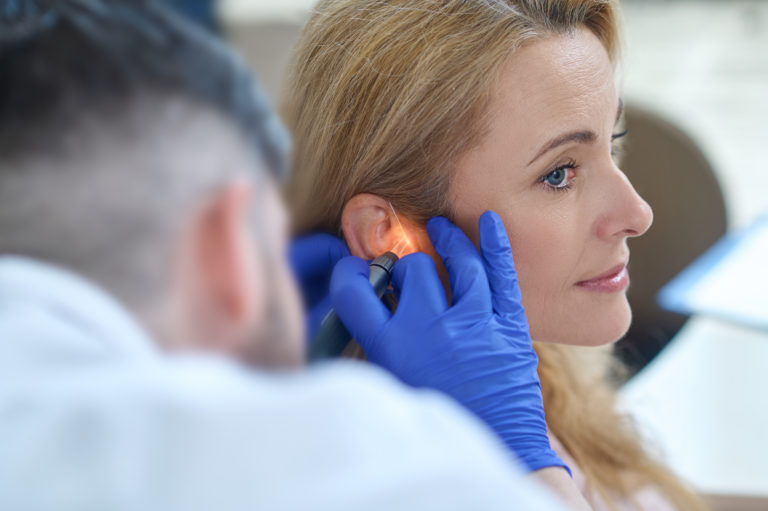
- Physical examination Using a video otoscope, we’ll look inside your ear canals to check for any remaining wax, signs of infection, or structural issues. You’ll be able to see exactly what we see on screen.
- Pure tone audiometry You’ll wear headphones and respond to a series of tones at different pitches and volumes. This maps out exactly which frequencies you hear well and which you don’t.
- Speech recognition testing We’ll assess how well you understand words at different volumes—this measures real-world listening ability, not just detection of sound.
- Results and recommendations Your results are plotted on an audiogram, and we’ll explain precisely what they mean. If hearing aids would help, we’ll discuss which styles suit your hearing profile and lifestyle. If they wouldn’t help (or aren’t needed), we’ll tell you that too.
There’s no obligation, no pressure, and no expectation that you’ll make any decisions on the day.
Why People Put Off Getting Their Hearing Checked
Even when the signs are clear, many people delay booking a test—sometimes for years.
The reasons are usually emotional, not practical:
“I’m not old enough for hearing aids” Hearing changes can begin in your 40s and 50s. Modern hearing aids are discreet, technologically sophisticated, and worn by people of all ages. They’re not your grandparents’ hearing aids.
“It’s probably not that bad” This is often true—it probably isn’t severe. But mild hearing loss still affects quality of life, and the brain adapts better to hearing aids when fitted earlier rather than later.
“I’ll deal with it when I have to” The difficulty with this approach is that “having to” usually means relationships have been strained, social confidence has dropped, and the brain has spent years compensating in ways that make adjustment harder.
“Hearing aids are too expensive” This is worth investigating rather than assuming. The cost varies significantly based on technology level and your specific needs. Many people are surprised to find options more accessible than expected.
The Link Between Untreated Hearing Loss and Wider Health
There’s a growing body of research connecting hearing loss to broader health outcomes. While hearing aids aren’t a magic solution, addressing hearing changes early appears to have benefits beyond just hearing better:
- Cognitive load: Straining to hear uses mental resources that would otherwise go toward memory and comprehension
- Social engagement: People with untreated hearing loss are more likely to withdraw from conversations and social situations
- Balance and safety: The auditory system contributes to spatial awareness; hearing loss is associated with increased fall risk in older adults
- Mental health: Studies link untreated hearing loss to higher rates of depression and anxiety
None of this is meant to alarm you—it’s context for why hearing health matters and why “I’ll manage” often isn’t the best long-term strategy
What to Expect If You Do Need Hearing Aids
If your hearing test shows you’d benefit from hearing aids, here’s what the process typically looks like:
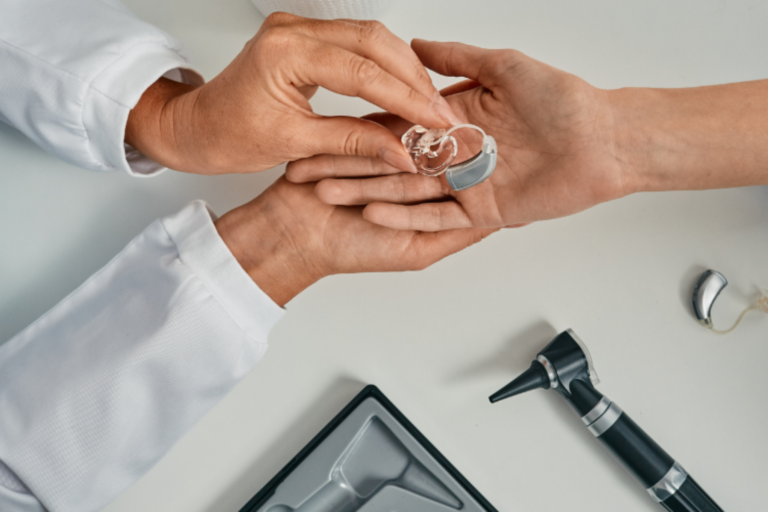
Choosing the right device: Based on your audiogram, lifestyle, and preferences, we’ll recommend options that match your specific hearing profile. Someone who mainly needs help with one-on-one conversation has different needs than someone who attends meetings or performs music.
Fitting and programming: Modern hearing aids are precisely programmed to your audiogram— amplifying only the frequencies you need help with, at the right levels. This isn’t “turning everything up.”
Adjustment period: Your brain needs time to readjust to hearing sounds it’s been missing. Most people adapt within a few weeks, and we’ll schedule follow-up appointments to fine-tune the settings as you get used to them.
Ongoing support: Hearing needs can change, and hearing aids need occasional maintenance. A good relationship with your audiologist matters as much as the initial fitting.
Your Next Step
If your ears have been cleared but your hearing still isn’t what it should be, a hearing test will give you answers.
At The Hearing Specialist, we offer comprehensive hearing assessments at our clinics in Wimbledon, Teddington, and Wallington. Appointments are available Monday through Saturday, and you can book online or call us directly.
Book a hearing test:
Call: 020 8150 7178
Whether the outcome is reassurance, monitoring, or hearing aids, you’ll know exactly where you stand—and what your options are.
Book your hearing test today and explore the options available to you.
Ready to rediscover clear sound?
Contact your local clinic today to trial the latest BTE and ITE technology.